£24.99
Film StudiesEdinburgh Studies in East Asian Film
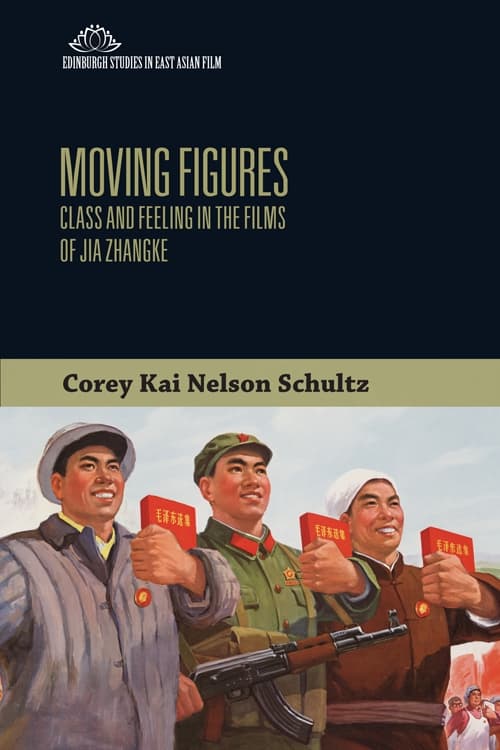
Moving Figures
Class and Feeling in the Films of Jia Zhangke

Our ebooks are read in the Academic Reader app. After you buy, we’ll email you how to open your ebook in it.
Description
Examines how the Chinese ‘Reform Era’ is constructed and felt in the films of Jia Zhangke
- Uses the concept of structures of feelings to evaluate the emotional qualities of Jia Zhangke's films
- Provides an alternative way to examine how films can create meaning through feeling
- Considers how social change and class transition in China have been evoked and represented in Zhangke's films
Since 1979, China has been undergoing a period of immense social and economic change, transitioning from state-run economics to free market capitalism. This book focuses on how the ‘Reform Era’ has been constructed in the work of the director Jia Zhangke, analysing the archetypal class figures of worker, peasant, soldier, intellectual and entrepreneur that are found in his films. Examining how these figures are represented, and how Jia’s cinematography creates those ‘structures of feeling’ that concretise around a particular time and place, the book argues that Jia’s cinema should be understood not just as narratives that represent Chinese social transition, but also as an effort to engage the audience’s emotional responses through representation, symbolism and the affective experience of specific cinematic tropes.
Making an important contribution to scholarship about the Reform Era, and opening up many new areas in the larger fields of Chinese visual culture, cultural studies and the affective qualities of film, this is groundbreaking work about a cinematic culture in a period of profound transformation.
Contents
List of FiguresAcknowledgments
IntroductionApproach to FeelingClass in ChinaClass Figures and Their EffectsChapter Outlines
Chapter 1 – The Worker Class: From Leader To The MarginsIntroductionHistory of the ClassRepresentationCinematic Tropes: Moving Portraits and Interviews
Chapter 2 – The Peasant and the Mingong: From Empathy to Sympathy to Looking Back IntroductionHistory of the ClassRepresentation Cinematic Tropes: The POV Shot, Observation, Body, and the Gaze
Chapter 3 – The Soldier: From Degraded Reproduction to Avenging HeroIntroductionHistory of the ClassRepresentationCinematic Tropes: Wuxia and The Close-Up
Chapter 4 – The Intellectual: Power and the VoiceIntroductionHistory of the ClassRepresentationCinematic Tropes: Pseudomonologues and Observation
Chapter 5 – The Entrepreneur: From Crook to "New Reform Model"IntroductionHistory of the ClassRepresentationCinematic Tropes: Advertisements and the Close-Up
FilmographyWorks CitedNotes
Author
Reviews
An incisive and soundly researched contribution to the literature on Jia Zhangke. Schultz illuminates the class-based archetypes and affective structures of Jia's Reform-era cinema, offering a fresh way of thinking about one of China's most profoundly enigmatic filmmakers.
Goes well with this book
From the same series or subject.
- Moving Figures, Ebook (EPUB), £25.99
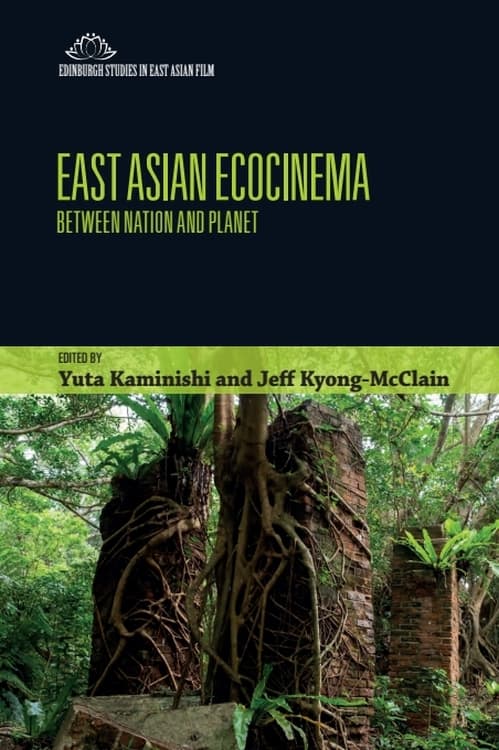
- East Asian Ecocinema, Ebook (EPUB), £95.00
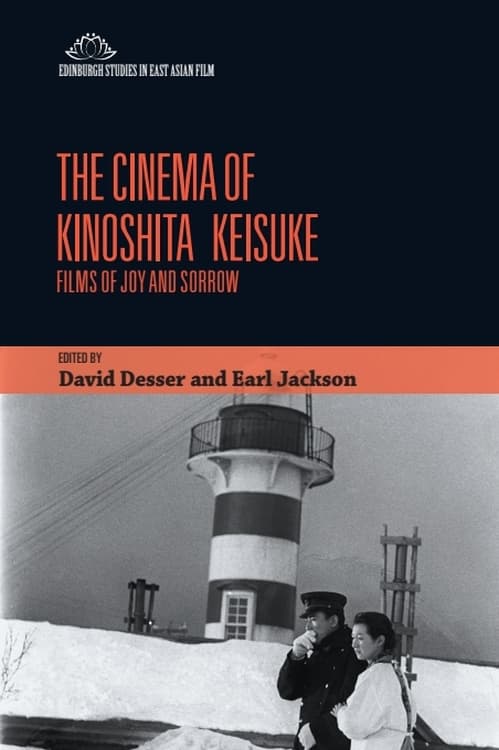
- The Cinema of Kinoshita Keisuke, Paperback, £24.99
From the same series
More in Edinburgh Studies in East Asian Film
Ebook (EPUB)£95.00
Paperback£24.99
Paperback£19.99
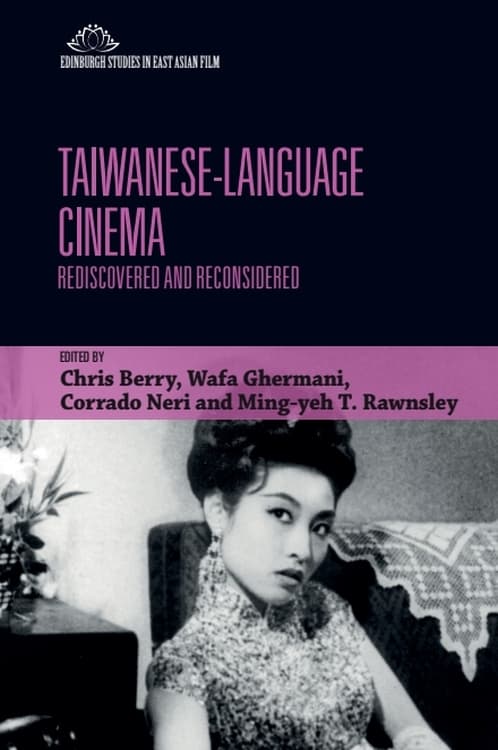
Ebook (EPUB)£24.99
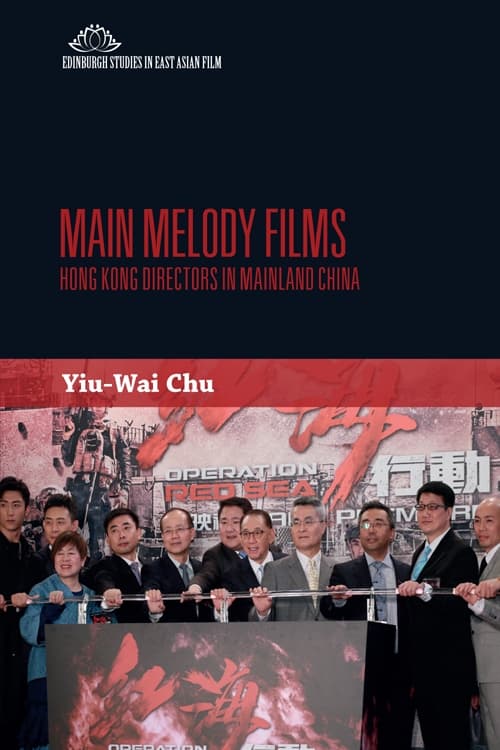
Ebook (EPUB)£20.99
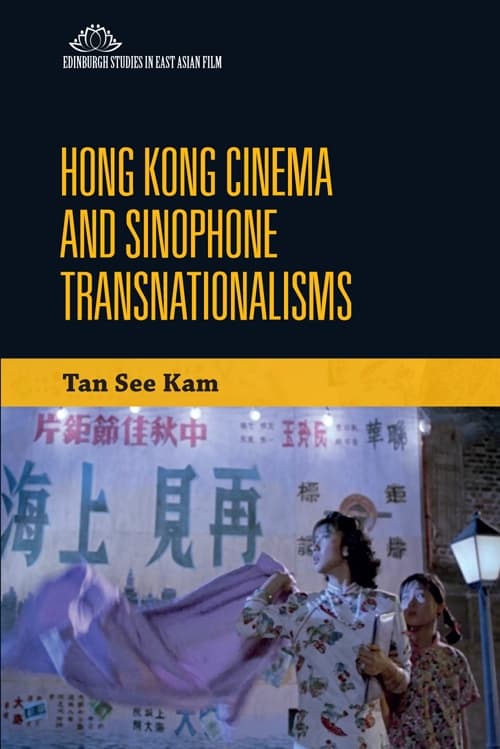
Ebook (EPUB)£20.99
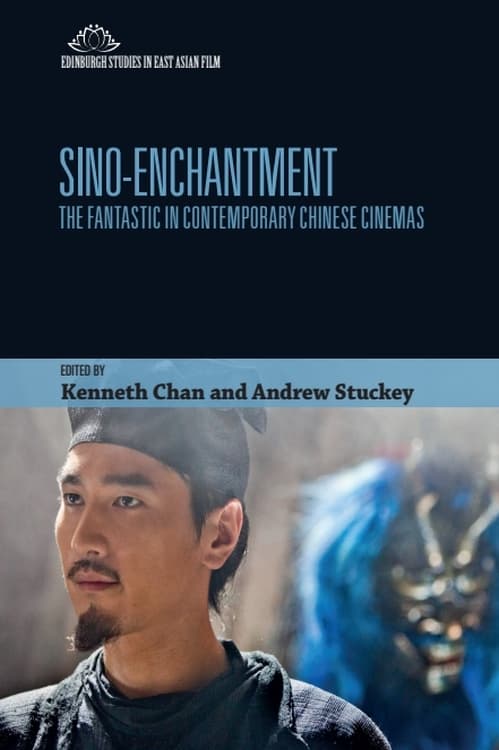
Ebook (EPUB)£22.99

Ebook (EPUB)£29.99
Ebook (EPUB)£23.99
Ebook (EPUB)£23.99
Ebook (EPUB)£31.00
More in Film Studies
View all
Ebook (EPUB)£90.00
Ebook (PDF)£19.99
Ebook (EPUB)£95.00
£19.99