Ebook (EPUB)£90.00
Literary StudiesGender and the Body in Literature and Culture
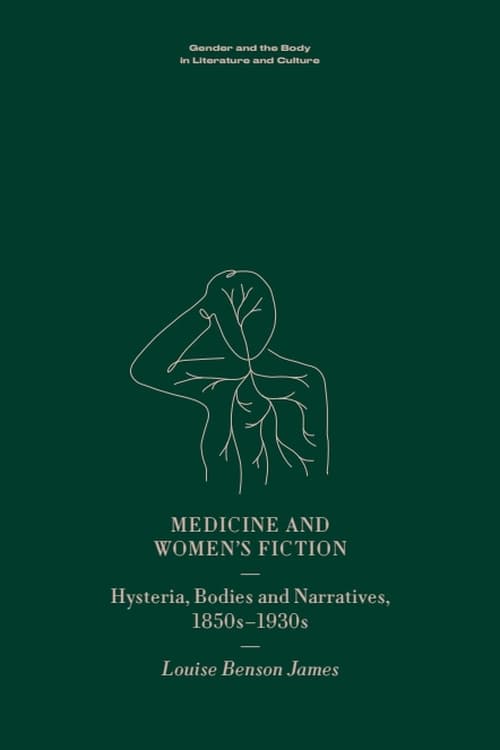
Medicine and Women’s Fiction
Hysteria, Bodies and Narratives, 1850s to 1930s

Our ebooks are read in the Academic Reader app. After you buy, we’ll email you how to open your ebook in it.
Description
Surveys women writers’ engagements with hysteria in Victorian and modernist literature
- Belongs to a new wave in interdisciplinary literary criticism which aims to take seriously the materiality of the body in forming readings of texts, making use of contemporaneous ideas inspired by medicine and physiology
- Brings literature and medicine together through a balance of detailed close reading and historical context, and points to a shared language: the prevalence of medical and scientific ideas in popular culture and their reworking in fiction
- Part of a recovery and rediscovery of lost and little-known works of female authors: Rhoda Broughton’s Nancy (1873) and short supernatural stories; Lucas Malet (Mary St Leger Harrison)’s Wages of Sin (1891) and The Survivors (1923); and Djuna Barnes’s Ryder (1928)
- Brings new attention to women writers’ engagement with medicine and the adoption of the role of medical authority, building on and challenging established readings of the role of medicine in, for example, Charlotte Brontë’s Villette (1853); Sarah Grand’s The Heavenly Twins (1893) and The Beth Book (1897); and Djuna Barnes’s Nightwood (1936)
- Troubles accepted truths about narratives of the female body in both fiction and medicine, tracking hysteria’s development and gendering as both a pathology and a metaphor
Contents
Series Preface
Acknowledgements
Introduction: Treating the Hysterical Body
1. Nervous Narratives: Charlotte Brontë, Villette (1853) and Mid-century Medical Men
2. Unruly Bodies: Rhoda Broughton’s Nancy (1873) and Short Supernatural Fiction
3. Mental Monstrosities, Medical Women and Material Culture: Sarah Grand’s The Heavenly Twins (1893) and The Beth Book (1897)
4. Sexual Neuroses and Male Nerves: Lucas Malet’s Wages of Sin (1891) and The Survivors (1923)
5. Medical Mythmaking, Modern Science and the Taboo: Djuna Barnes’s Ryder (1928) and Nightwood (1936)
Conclusion: ‘How Shall I Keep Well?’
Bibliography
Index
Author
Reviews
Louise Benson James offers a deeply researched survey of hysteria in the period’s fiction and medical history. Focusing on women authors, Benson James shows how they knew and claimed the science around hysteria – even while using it critically. Her nuanced reading of male medical practitioners also recaptures their complexity as healers.
Goes well with this book
From the same series or subject.
- Medicine and Women’s Fiction, Ebook (EPUB), £90.00
- The Drunkard in Victorian Fiction and Culture, Ebook (EPUB), £90.00
- Trans Narrators, Ebook (EPUB), £19.99
From the same series
More in Gender and the Body in Literature and Culture
Ebook (EPUB)£19.99
Ebook (EPUB)£24.99
Ebook (EPUB)£20.99
More in Literary Studies
View all
Ebook (EPUB)£125.00
Ebook (EPUB)£110.00
Ebook (EPUB)£90.00
Ebook (EPUB)£90.00
Ebook (EPUB)£90.00