Ebook (EPUB)£100.00
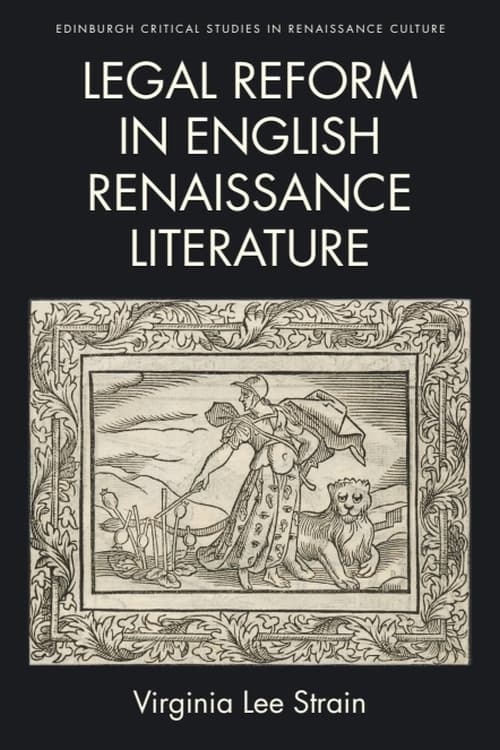
Literary StudiesEdinburgh Critical Studies in Renaissance Culture
Legal Reform in English Renaissance Literature

Our ebooks are read in the Academic Reader app. After you buy, we’ll email you how to open your ebook in it.
Description
The first study of legal reform and literature in early modern England
This book investigates rhetorical and representational practices that were used to monitor English law at the turn of the seventeenth century. The late-Elizabethan and early-Jacobean surge in the policies and enforcement of the reformation of manners has been well-documented. What has gone unnoticed, however, is the degree to which the law itself was the focus of reform for legislators, the judiciary, preachers, and writers alike. While the majority of law and literature studies characterize the law as a force of coercion and subjugation, this book instead treats in greater depth the law’s own vulnerability, both to corruption and to correction. In readings of Spenser’s Faerie Queene, the Gesta Grayorum, Donne’s ‘Satyre V’, and Shakespeare’s Measure for Measure and The Winter’s Tale, Strain argues that the terms and techniques of legal reform provided modes of analysis through which legal authorities and literary writers alike imagined and evaluated form and character.
Key Features- Reevaluates canonical writers in light of developments in legal historical research, bringing an interdisciplinary perspective to works
- Collects an extensive variety of legal, political, and literary sources to reconstruct the discourse on early modern legal reform, providing an introduction to a topic that is currently underrepresented in early modern legal cultural studies
- Analyses the laws own vulnerability to individual agency
Contents
Introduction
1 ‘Perpetuall Reformation’ in Book V of The Faerie Queene
Part I: Perfection
2 Snaring Statutes and the General Pardon in the Gesta Grayorum
3 Legal Excess in John Donne’s ‘Satyre V’
Part II: Execution
4 The Assize Circuitry of Measure for Measure
5 The Winter’s Tale and the Oracle of the Law
Bibliography
Author
Reviews
In this richly conceived and tightly argued study of legal reform as one index of law’s openness and ongoing potential, Virginia Lee Strain details how Elizabethan poets and dramatists exploited the formal resources of genre, plot, and language to reimagine and even re-authorize the attempts at law, both professional and political, to bring greater efficiency and consistency to the administration of justice. A terrific achievement.
This is an erudite study and a significant contribution to our understanding of the often submerged ways law and literature have always spoken to and about each other. English Renaissance scholars in particular will appreciate the comprehensiveness of Strain’s argument.
This monograph delivers an insightful, interdisciplinary perspective on rhetorical and representation practices used to supervise English law at the turn of the seventeenth century.
Goes well with this book
From the same series or subject.
- Legal Reform in English Renaissance Literature, Ebook (EPUB), £25.99
- Women, Texts and Tombs after the Reformation, Ebook (EPUB), £100.00
- Instinct, Knowledge and Occult Science on the Early Modern English Stage, Ebook (EPUB), £90.00
From the same series
More in Edinburgh Critical Studies in Renaissance Culture
£24.99
Ebook (EPUB)£90.00
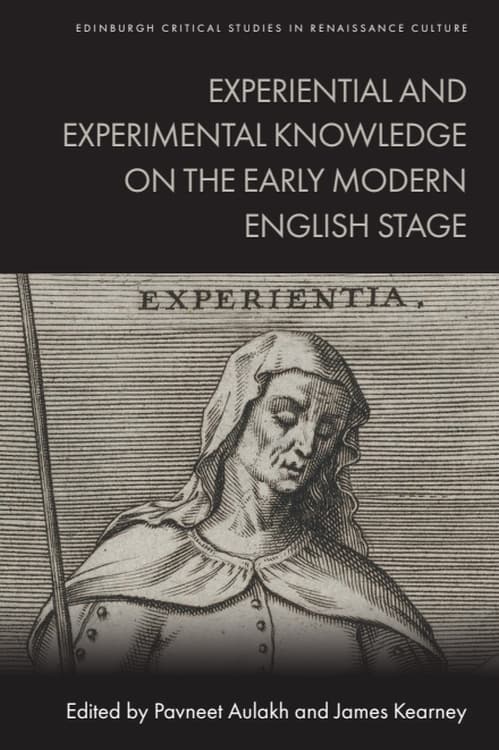
Ebook (EPUB)£95.00
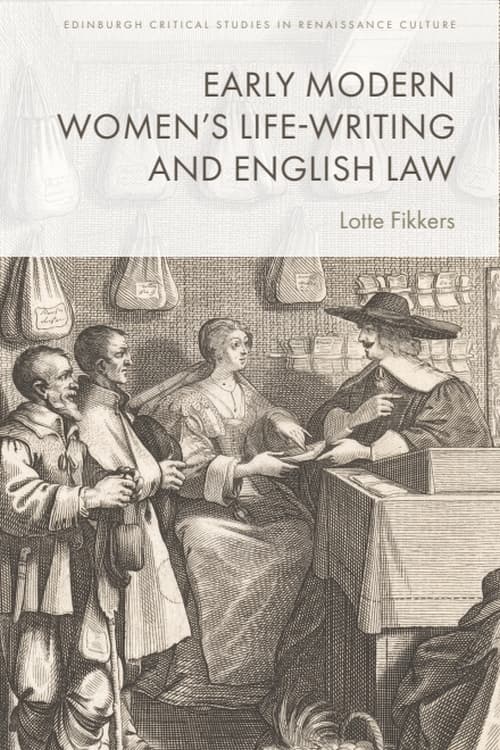
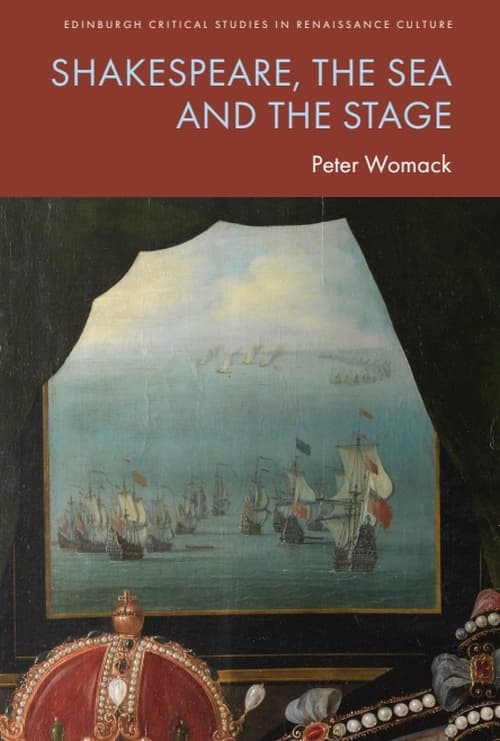
Ebook (EPUB)£19.99
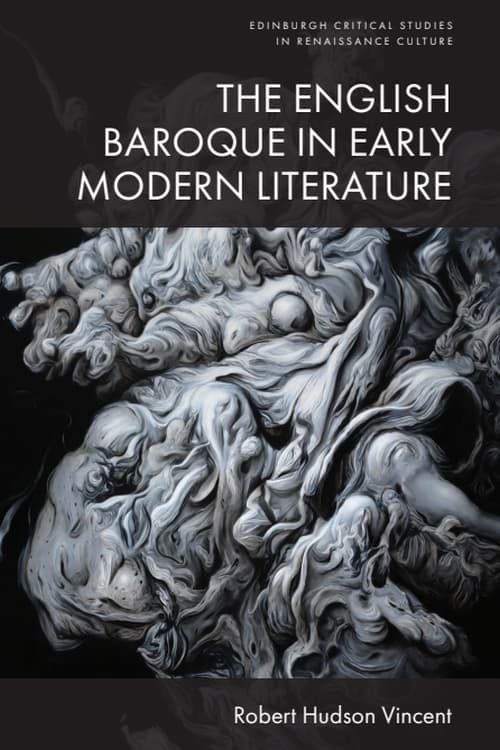
Ebook (EPUB)£19.99

Ebook (EPUB)£14.99
Ebook (EPUB)£29.99
Ebook (EPUB)£19.99
Ebook (EPUB)£24.99
More in Literary Studies
View all
Ebook (EPUB)£125.00

Ebook (EPUB)£110.00
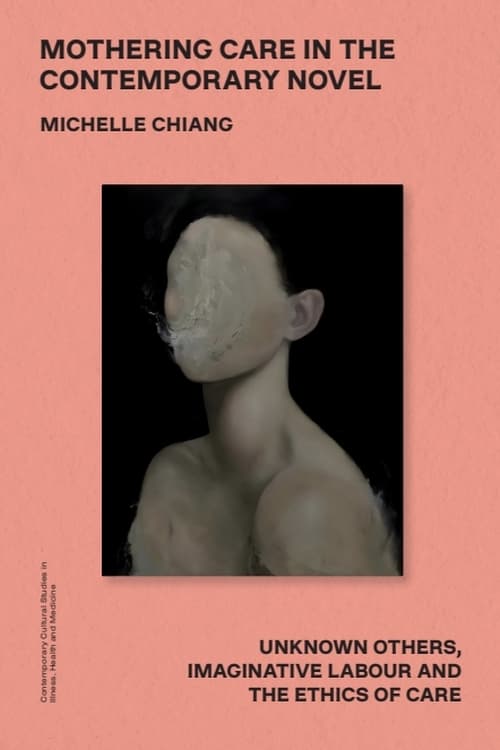
Ebook (EPUB)£90.00
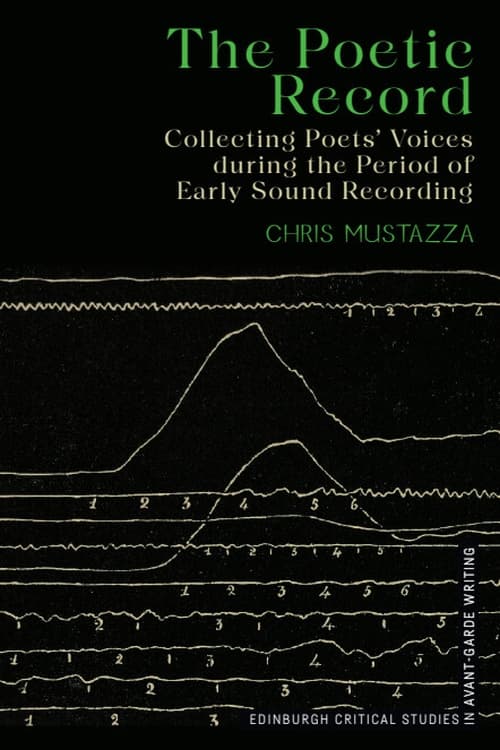
Ebook (EPUB)£90.00
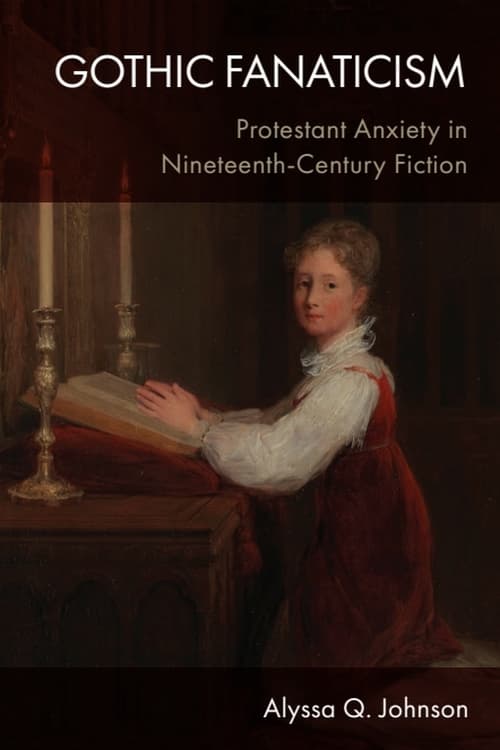
Ebook (EPUB)£90.00