Ebook (EPUB)£125.00
Description
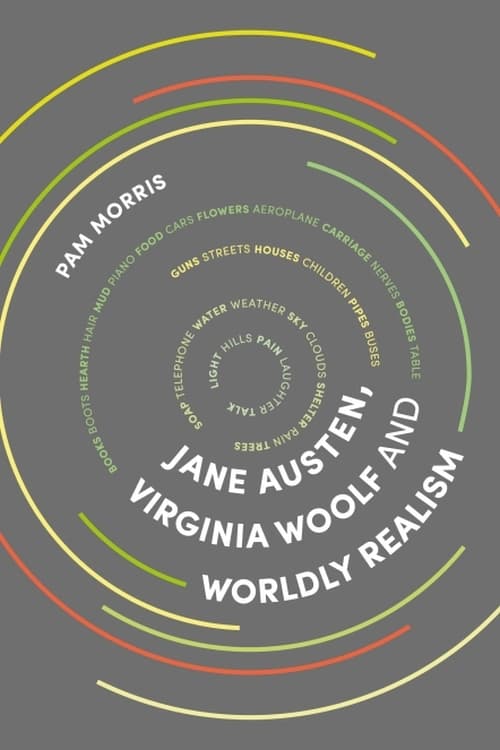
Studies Jane Austen and Virginia Woolf as materialists who assert equality between things, universe and people
Austen and Woolf are materialists, this book argues. ‘Things’ in their novels give us entry into some of the most contentious issues of the day. This wholly materialist understanding produces worldly realism, an experimental writing practice which asserts egalitarian continuity between people, things and the physical world. This radical redistribution of the importance of material objects and biological existence, challenges the traditional idealist hierarchy of mind over matter that has justified gender, class and race subordination. Entering their writing careers at the critical moments of the French Revolution and the First World War respectively, and sharing a political inheritance of Scottish Enlightenment scepticism, Austen’s and Woolf’s rigorous critiques of the dangers of mental vision unchecked by facts is more timely than ever in the current world dominated by fundamentalist neo-liberal, religious and nationalist belief systems.
Key Features- The book uses close readings from Sense and Sensibility, Mrs Dalloway, Emma, The Waves, Persuasion and The Years to demonstrate the materialist sensibilities of Austen and Woolf
- It traces the anti-individualism of their view of self and consciousness as deriving from embodied experience
- Each chapter foregrounds the constitutive interrelationship of things, people, social and physical worlds
- The book reconceptualises a progressive view of realism – worldly realism – drawing upon Jacques Rancière’s thesis that a new democratic aesthetic regime is inaugurated around the end of the eighteenth century
Contents
Introduction Worldly Realism
Part 1: Systems and Things
Chapter 1 Sense and Sensibility: Wishing is Believing
Chapter 2 Mrs Dalloway: The Spirit of Religion was Abroad
Part 2: Nation and Universe
Chapter 3 Emma: A Prospect of England
Chapter 4 The Waves: Blasphemy of Laughter and Criticism
Part 3: Guns and Plumbing
Chapter 5 Persuasion: Fellow Creatures
Chapter 6 The Years: Moment of Transition
Conclusion
Bibliography
Author
Reviews
…there are plenty of insights about Woolf’s works especially Mrs. Dalloway, The Waves and The Years, as well as enlightening social history.
Though writing a century apart and enjoining readers to think in such different ways about human experience, Austen and Woolf are like no other novelists so much as they are like each other. Or so Morris shows. Her concept of 'worldly realism' not only distinguishes the signature techniques of these two major British novelists, but also demonstrates—brilliantly, to my mind—how their very singularity links them to one another: each author brings a strain of skeptical realism derived from the Scottish Enlightenment to bear on a geopolitical world in a state of flux.
Goes well with this book
From the same series or subject.
More in Literary Studies
View allEbook (EPUB)£110.00
Ebook (EPUB)£90.00
Ebook (EPUB)£90.00
Ebook (EPUB)£90.00