Ebook (EPUB)£85.00
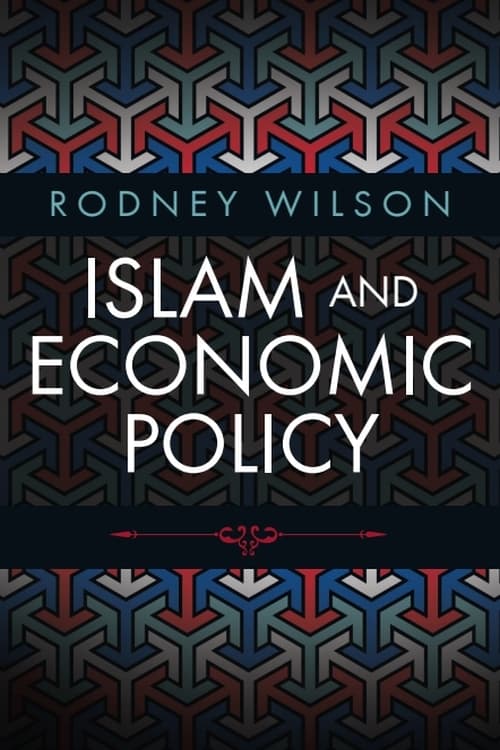
Islam and Economic Policy
An Introduction

Our ebooks are read in the Academic Reader app. After you buy, we’ll email you how to open your ebook in it.
Description
To what extent do Islamic values have implications for economic policy making?
Islamist political parties have enjoyed unprecedented election victories in recent times. The Islamic Revolution in Iran, the election of the Justice and Development Party in Turkey and the coming to power of Islamists, albeit briefly, after the Arab Spring, has changed the political landscape in the Middle East and has ramifications for the entire Muslim World. Yet the continuing success of these parties depends on their record on economic development and employment creation. Are their economic policies different from those of their autocratic predecessors? Have they been influenced by the writings of academic Islamist economists? This book looks at the impact of Islamic teaching on public economic policy and asks how Islamic economics differs from mainstream micro and macroeconomics.
Key Features
- Looks at how Islamic values can influence choices made by businesses and governments
- Asks whether Shari'ah teaching affects taxation and social welfare policies
- Assesses the potential of Islamic economics to provide an alternative to a capitalist economic system and looks at the implications for international economic relations
- Individual chapters evaluate the economic successes and failures of OIC member states (Bangladesh, Egypt, Indonesia, Iran, Malaysia, Pakistan, Tunisia and Turkey) and their changing status in the global economic order
Contents
List of tables; Part 1: Ideas, themes and measures; 1. Economic philosophy from a Shari’ah perspective; 2. Microeconomic morality; 3. Fiscal policy choices to promote social justice; 4. Development policy; 5. International economic engagement; 6. Banking regulation, monetary policy and Islamic finance; Part 2. Country experiences; 7. Islam and economic modernisation in Turkey; 8. The Islamic Republic of Iran’s nationalist economic model; 9. The influence of the Muslim Brotherhood on Egypt’s economy; 10. Piety, inclusion and materialism in Saudi Arabia; 11. Faith and political economy in Pakistan and Bangladesh; 12. Asian versus Muslim identities in Malaysia and Indonesia; Postscript; Bibliography.
Author
Reviews
With pragmatic policy guidelines from an Islamic perspective - the product of professional analysis by one of the most senior writers in Islamic economics and finance - this book is a crucial addition to the shelves of libraries, desks of corporate CEOs and top policy-makers.
Goes well with this book
From the same series or subject.
More in IMES
View allEbook (EPUB)£90.00

Ebook (EPUB)£14.99
Ebook (EPUB)£100.00

Ebook (EPUB)£95.00