Ebook (EPUB)£33.99
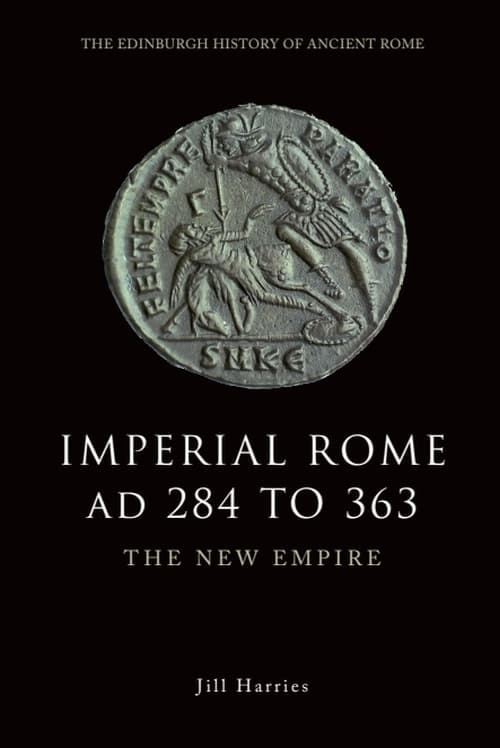
Ancient History & Classical StudiesThe Edinburgh History of Ancient Rome
Imperial Rome AD 284 to 363
The New Empire

Our ebooks are read in the Academic Reader app. After you buy, we’ll email you how to open your ebook in it.
Description
This book is about the reinvention of the Roman Empire during the eighty years between the accession of Diocletian and the death of Julian. How had it changed? The emperors were still warriors and expected to take the field. Rome was still the capital, at least symbolically. There was still a Roman senate, though with new rules brought in by Constantine. There were still provincial governors, but more now and with fewer duties in smaller areas; and military command was increasingly separated from civil jurisdiction and administration. The neighbours in Persia, Germania and on the Danube were more assertive and better organised, which had a knock-on effect on Roman institutions. The achievement of Diocletian and his successors down to Julian was to create a viable apparatus of control which allowed a large and at times unstable area to be policed, defended and exploited.
The book offers a different perspective on the development often taken to be the distinctive feature of these years, namely the rise of Christianity. Imperial endorsement and patronage of the Christian god and the expanded social role of the Church are a significant prelude to the Byzantine state. The author argues that the reigns of the Christian-supporting Constantine and his sons were a foretaste of what was to come, but not a complete or coherent statement of how Church and State were to react with each other.
Contents
Maps and illustrations; Preface; Abbreviations; Chapter 1, The Long Third Century; Chapter 2, Four lords of the world, AD 284-311; Chapter 3, The Empire renewed; Chapter 4, The Return of the Old Gods; Chapter 5, The victory of Constantine; Chapter 6, Towards the sunrise: Constantine Augustus; Chapter 7, Constructing the Christian emperor; Chapter 8, The sons of Constantine; Chapter 9, Warfare and Imperial Security AD 337-361; Chapter 10, Church and Empire; Chapter 11, Images of women; Chapter 12, Rome and Antioch; Chapter 13, Julian Augustus; Chapter 14, The funeral director; Chronology; Guide to Further Reading; Bibliography of Modern Works Cited; Index.
Author
Goes well with this book
From the same series or subject.
- Imperial Rome AD 284 to 363, Ebook (EPUB), £34.99
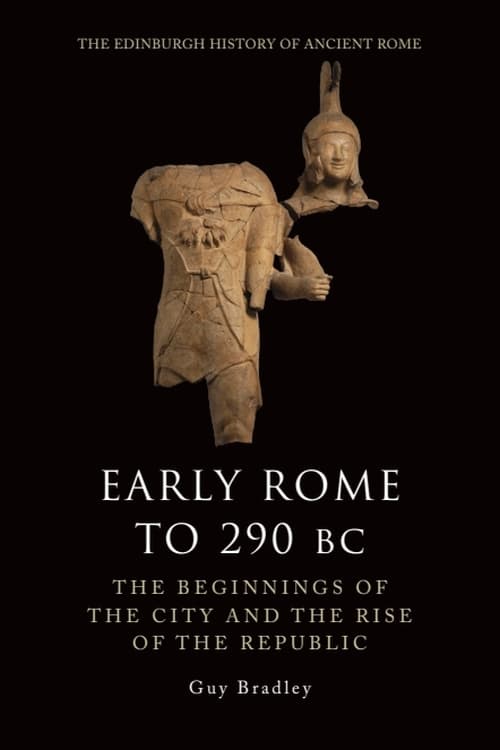
- Early Rome to 290 BC, Ebook (EPUB), £33.99
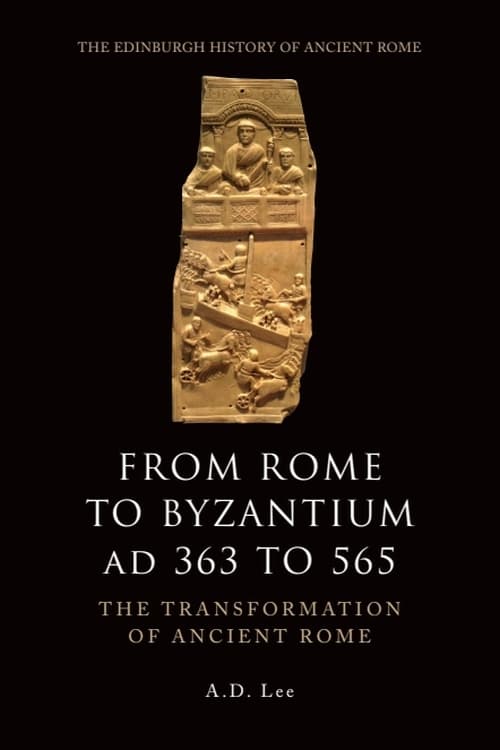
- From Rome to Byzantium AD 363 to 565, Ebook (EPUB), £34.99
From the same series
More in The Edinburgh History of Ancient Rome
Ebook (EPUB)£34.99
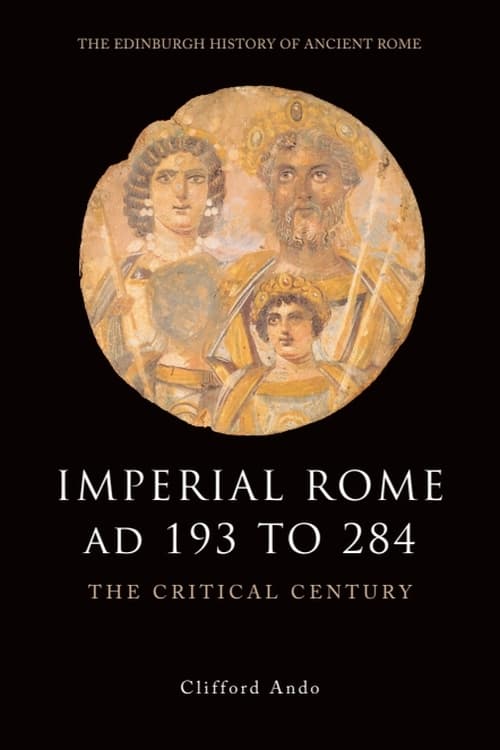
Ebook (EPUB)£34.99
Ebook (EPUB)£34.99
Ebook (EPUB)£34.99
More in Ancient History & Classical Studies
View all
Ebook (EPUB)£85.00

Ebook (EPUB)£100.00
Ebook (EPUB)£95.00

Ebook (EPUB)£95.00
Ebook (EPUB)£135.00