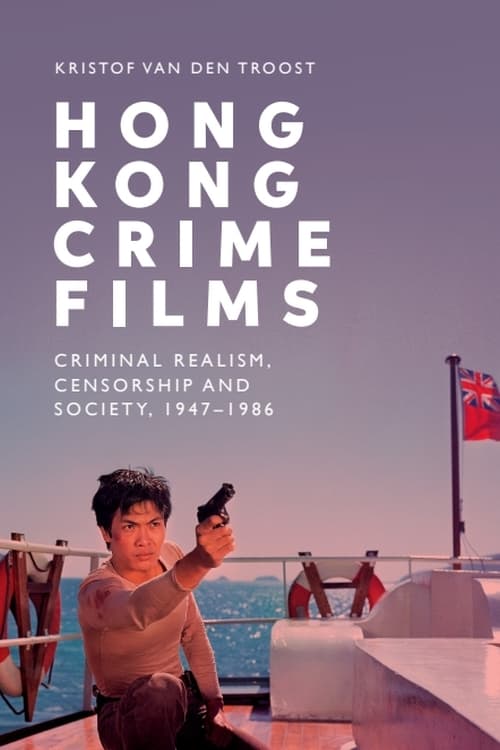
Hong Kong Crime Films
Criminal Realism, Censorship and Society, 1947-1986

Our ebooks are read in the Academic Reader app. After you buy, we’ll email you how to open your ebook in it.
Description
- Departs from the predominant focus on action aesthetics in studies of Hong Kong cinema to focus on the early crime film’s close links to local society and politics
- Draws on years of research on censorship and the crime film in archives in Hong Kong and in the United Kingdom
- Provides ample evidence of the often-overlooked role film censorship played in shaping Hong Kong genre cinema
- Connects the appearance of the modern crime film in the late 1960s and 1970s to the growing consciousness of a distinctive Hong Kong identity
Hong Kong Crime Films is the first book detailing the post-war history of the genre before the release of John Woo’s A Better Tomorrow (1986), the film that put Hong Kong action-crime on the global map. Focusing on what it calls the mode of ‘criminal realism’ in the crime film, the book shows how depictions of Hong Kong’s social reality (including crime) were for decades anxiously policed by colonial censors, and how crime films tended (and still tend) to confound and transgress critical definitions of realism.
Drawing on extensive archival research, Hong Kong Crime Films covers several neglected topics in the study of Hong Kong cinema, such as the evolving generic landscape of the crime film prior to the 1980s, the influence of colonial film censorship on the genre, and the prominence and contestation of "realism" in the local history of the crime film.
Contents
List of Figures
Tables
Acknowledgements
Notes on Transliteration
Introduction: Criminal Realism
Part I: The Generic Landscape of the Post-War Hong Kong Crime Film, 1947-1969
- Gangsters and Unofficial Justice Fighters: Realist Lunlipian versus Action-Adventure Films
- Detectives and Suspense Thrillers: Remaking Hitchcock in Hong Kong
Intermezzo: Censorship of Cinematic Crime and Violence in Colonial Hong Kong
Part II: The Modern Hong Kong Crime Film, Criminal Realism and Hong Kong Identity, 1969-1986
- A New Form of Criminal Realism
- Crime Films and Hong Kong Identity
- The New Wave, Critical Discourse and Deepening Localisation
Afterword: The Uncertain Present and Future of Criminal Realism in Hong Kong
Glossary
Filmography
Bibliography
Index
Author
Reviews
Hong Kong Crime Films is a richly textured, deeply rewarding contribution to Hong Kong film studies and to histories of censorship in world film.
A comprehensive and sophisticated review of one of the most important and yet least studied film genres of Hong Kong cinema. Clearly written and richly historicized, it illuminates the significant link between crime film and the questions of colonialism, political censorship, and social changes. This timely and compelling book goes a long way toward filling an important gap in Hong Kong cinema studies.
In this book, Van Den Troost combines his rigorous archival investigation with original textual analyses. The result is an insightful examination of not only the genre itself, but also how cinematic realism in Hong Kong has been actively informed by police governmentality, censorship, and contesting social affects under colonialism.
Goes well with this book
From the same series or subject.
- Hong Kong Crime Films, Ebook (EPUB), £19.99
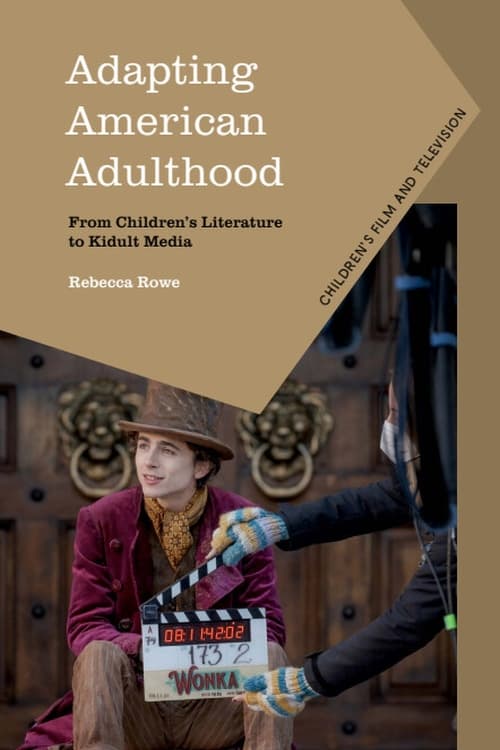
- Adapting American Adulthood, Ebook (EPUB), £90.00
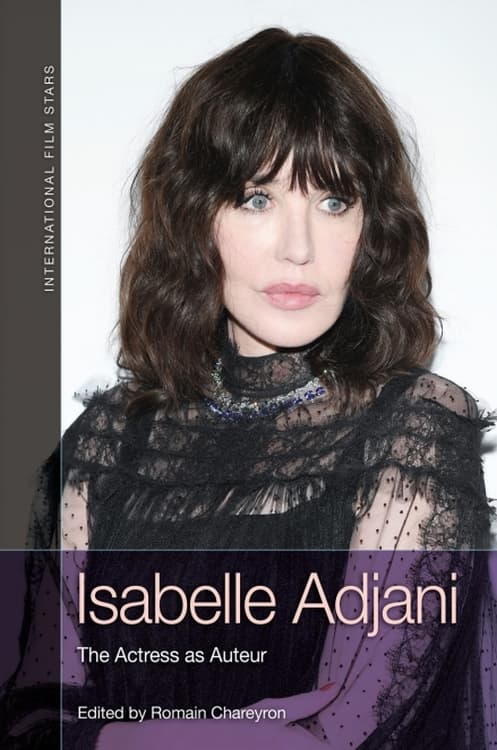
- Isabelle Adjani, Ebook (PDF), £19.99
More in Film Studies
View all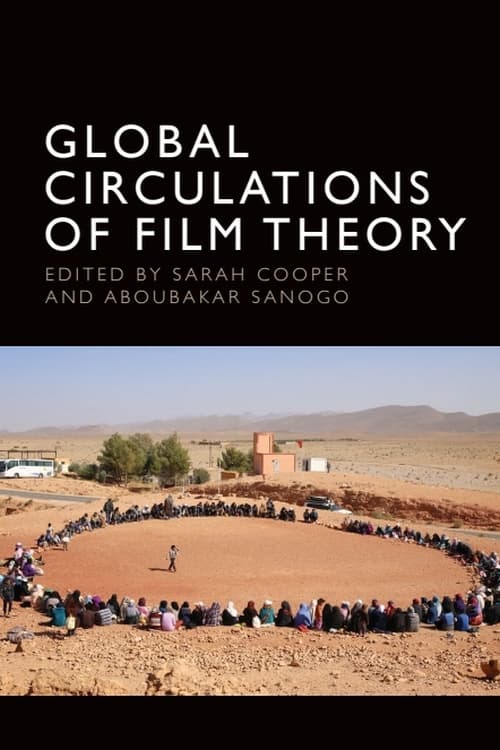
Ebook (EPUB)£90.00
Ebook (PDF)£19.99
Ebook (EPUB)£95.00
£24.99