Free to read
Read Modernism and the Choreographic Imagination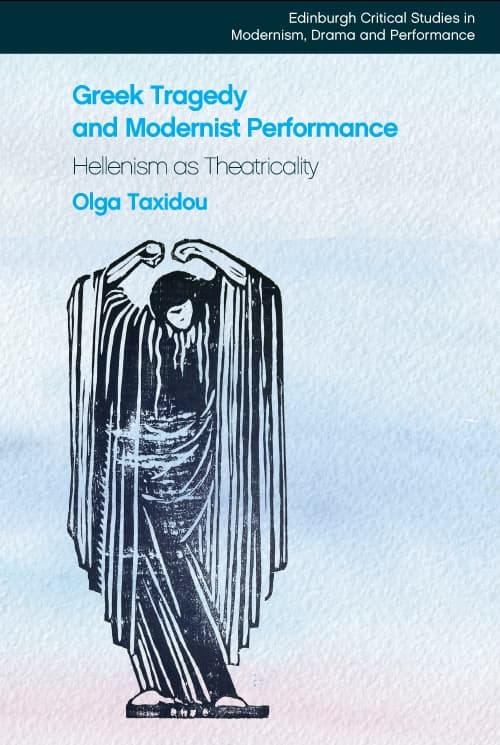
Literary StudiesEdinburgh Critical Studies in Modernism, Drama and Performance
Greek Tragedy and Modernist Performance
Hellenism as Theatricality
Open access
Open access under CC-BY-NC 4.0
Description
Examines the centrality of Greek tragedy for modernist performance
- Examines the centrality of Greek tragedy for modernist performance
- Analyses how Hellenism becomes a mode of theatricality
- Looks at the interface between theatricality and performativity
- Revises the fraught relationships between tradition and innovation within modernism more generally
- Examines modernist acting theories and the ways they engage with classical theories of acting
- Examines modernist theories of puppetry and how they re-write classical theories of puppetry
- Reads the modernist encounter with Geek tragedy as a re-staging of the ancient quarrel
- Proposes a modernist aesthetic of Greek tragedy based on Hellenism as theatricality, that radically revises the philosophical discourses of tragedy so central for the project modernity from German Idealism onwards
- This modernist approach to Greek tragedy is read as parallel to the development of Performance Studies and Reception Studies, contributing to a more experimental, open and democratic view of the classics and their contemporary relevance
This book examines the ways the encounters between modernist theatre makers and Greek tragedy were constitutive in the modernist experiments in performance. Through a series of events / instances / poses that engage visual, literary and performing arts, the modernist love/hate relationship with classical Greek tragedy is read as contributing to a modernist notion of theatricality, one that follows a double motion, revising both our understanding of Greek tragedy and of modernism itself. Isadora Duncan, Edward Gordon Craig, T.S. Eliot, Ezra Pound, W. B. Yeats, H. D, and Bertolt Brecht and their various, sometimes successful sometimes failed experiments in creating a modernist aesthetic in performing, dancing, translating, designing Greek tragedies, sometimes for the stage and sometimes for the page, are presented as radical experiments in and gestures towards the autonomy of performance. In the process the artists of the theatre themselves – the actor, the designer, the director, the playwright – are reconfigured and given a lineage and genealogy, through this modernist revision of tragedy and the tragic not as as a philosophical or philological tradition, but as a performance practice.
Contents
List of IllustrationsAcknowledgements
- Introduction: ‘What’s Hecuba to him, or he to Hecuba?’
- Isadora Duncan, Edward Gordon Craig and the Dream of an Impossible Theatre
- Poetic Drama: Theatricality, Performability and Translation
- H. D.: Feet, Hands and Hieroglyphs
- Epic, Tragic, Dramatic Theatre and the Brechtian Project
- Afterword: (No) More Masterpieces
BibliographyIndex
Author
Goes well with this book
From the same series or subject.
From the same series
More in Edinburgh Critical Studies in Modernism, Drama and Performance
Ebook (EPUB)£27.99
Ebook (EPUB)£22.99
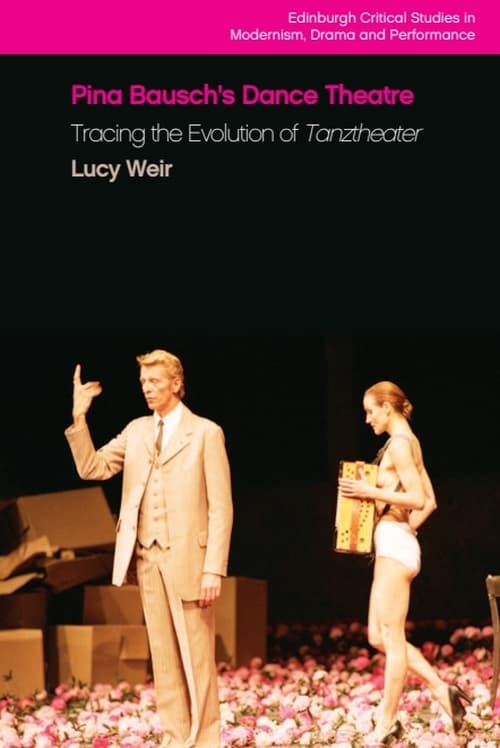
Ebook (EPUB)£31.00
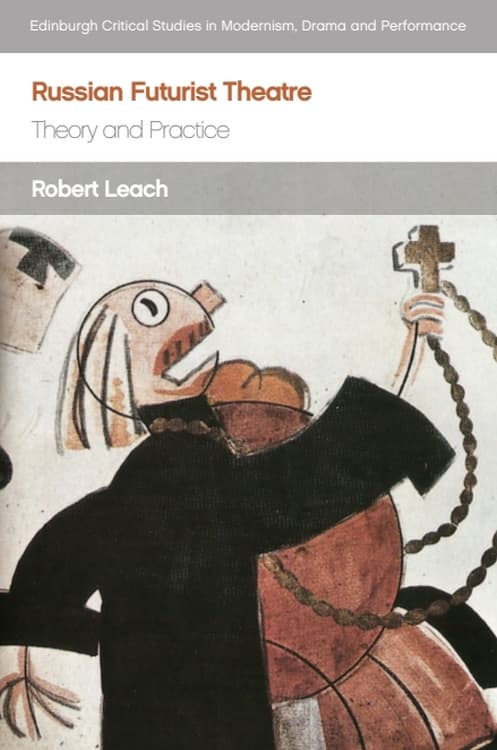
Ebook (EPUB)£40.00
Ebook (EPUB)£25.99
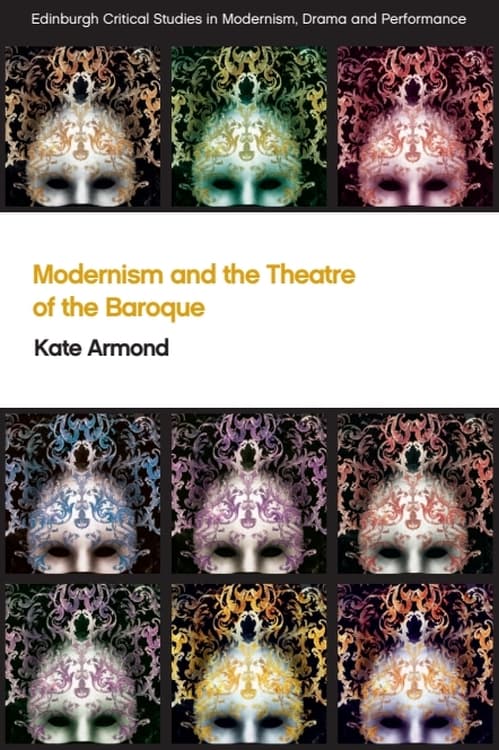
Ebook (EPUB)£25.99
Ebook (EPUB)£31.00
Ebook (EPUB)£23.99
More in Literary Studies
View all
Ebook (EPUB)£125.00
Ebook (EPUB)£110.00
Ebook (EPUB)£90.00
Ebook (EPUB)£90.00
Ebook (EPUB)£90.00