Paperback£24.99
IMESMusic and Performance in Muslim Contexts
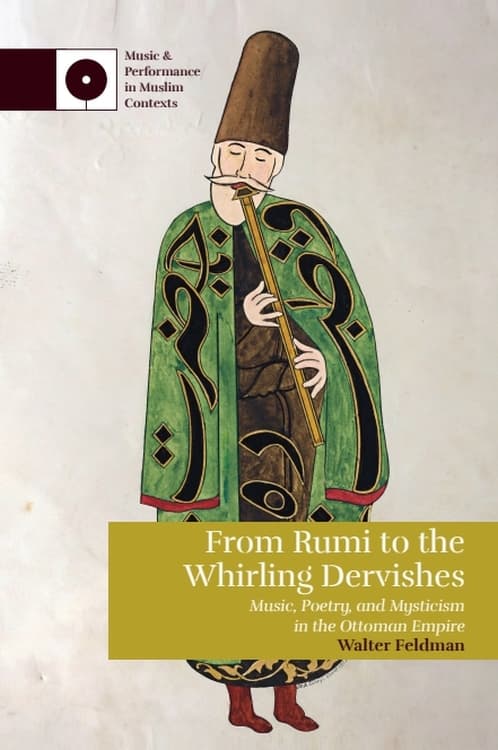
From Rumi to the Whirling Dervishes
Music, Poetry, and Mysticism in the Ottoman Empire
Open access
Open access under CC-BY-NC-ND 4.0
Description
Illuminates the connection of music, poetry, mystical praxis and social history underlying the ceremony of the Mevlevi Dervishes
- Explores the musical tradition linked to the Mevlevi (‘Whirling’) Dervishes and the spiritual legacy of Mevlana Jalaluddin Rumi, one of Islam’s greatest mystical poets
- Provides an accessible introduction to the relationship between music and performative elements of Sufi practice codified in the Mevlevi ceremony of sema, illustrated with rare colour images
- Presents the biographies of the principal Mevlevi musicians, showing both their creation of the music of the ayin and their key role in the development of Ottoman court music
- Includes numerous original translations of Turkish verse by major Mevlevi poets
- Presents music examples with explanation, both in the book and freely available on the Aga Khan Music Programme website
Contents
List of Music Examples and FiguresList of ImagesA Note on Orthography and TransliterationTurkish Musical Symbols and the Intonation of Ottoman MusicPrefaceAcknowledgements
Part I: History and Culture of the Mevlevi Dervishes
Introduction: Continuities and Ruptures in the Mevlevi Tradition
1. Defining the Mystical Music of the Mevlevi Dervishes
- ‘Mystical Music’ in the Anatolian Turkish Context
- Comparison of Sema and Zikr (Dhikr)
- Musical Style of the Zikr
- Terminology of the Sema
- The Mevleviye and Music
2. The Mevlevi Phenomenon
- Brief Outline of Mevlana’s Career
- Brief History of the Mevleviye
- The Mevlevi Centres
- Women Sheikhs and Dervishes
- Basis of Mevlevi Training and Education
3. Development and Cultural Affinities of the Mevlevi Ayin
- Possibility of a Historical Approach to the Mevlevi Ceremony
- Movement within the Sema
- Western European Sources
- Spatial Structure and Movement
- Symbolism of the Mevlevi Sema
4. The Ney in Mevlevi Music
- Aesthetics of the Ney in Mevlevi Literature
- Myths and Metaphors
- Technical Development of the Ney, and the Ney as the Mevlevi Instrument
- Ney and Taksim
- The Origin of the Taksim
5. The Mevlevi Neyzen as an Ideal Representative of Ottoman Culture
- The Mevlevi Neyzen and the Transmission of Ottoman Music
- The Instrumentarium of the Late Ottoman Empire
- The Leading Neyzens in History
- Transition to the Early Republic
- Emin Dede (1883–1945)
- Halil Dikmen (1906–1964)
- Neyzen Tevfik Kolaylı (1879–1953)
Part II: Music of the Mevlevis
6. The Position of Music within the Mevleviye
- Was There a Mevlevi Musical Discourse?
- Mevlevi Musicians and Poets in Seventeenth-Century Ottoman Culture
- The Mevleviye and Musical History in Anatolia and Iran
- The ‘Science of Music’ in Iran and Istanbul and the Role of Mevlevi Musicians
7. The Musical Structure of the Ayin
- The Music of the Ayin as Part of an Oral Transmission
- Musical Structure of the Ayin compared with the Ottoman Fasıl
- Rhythmic Cycle and Poetic Metre
- Modulation
- Musical Techniques within a Mystical and Artistic Compositional Form
- The Na’at-i Peygamberi
- The Baş-taksim
- Devr-i Kebir: Origins and Issues of Historical Change in the Peşrev and in the Third Selam
8. Music, Poetry and Composition in the Ayin
- Devr-i Revan and the First Selam
- The ‘Ancient’ Dügah Ayini
- The Beyati Ayini of Mustafa Dede
- The Saba Ayini of Ismail Dede
- A Note on the Second Selam
9. The Sema’i in the Third Selam and the Son Yürük Sema’i: Nucleus of the Antecedent Sema?
- ‘Ey ki Hezar Aferin’
- Irak Sema’i Sultan Veled, ‘Kadim’
- Bektashi Nefes and Instrumental Sema’i
- A Brief Musicological Conclusion
Postlude
GlossaryReferences CitedIndex
Author
Goes well with this book
From the same series or subject.
From the same series
More in Music and Performance in Muslim Contexts
More in IMES
View allEbook (EPUB)£85.00
Ebook (EPUB)£90.00
Ebook (EPUB)£14.99
Ebook (EPUB)£100.00
Ebook (EPUB)£95.00