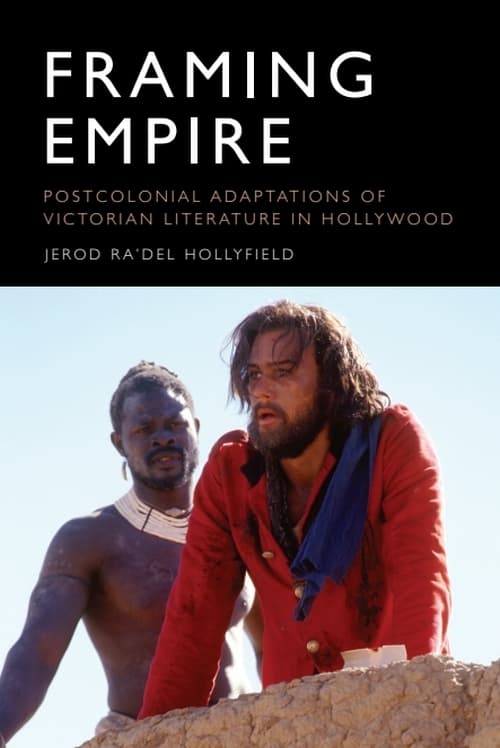
Framing Empire
Postcolonial Adaptations of Victorian Literature in Hollywood

Our ebooks are read in the Academic Reader app. After you buy, we’ll email you how to open your ebook in it.
Description
- Bridges the fields of postcolonial theory, film studies, film adaptation and Victorian literature
- Examines the socio-political context of diverse postcolonial nations, including India, Australia, New Zealand, Canada, South Africa, Egypt and Sudan
- Contains case studies of eight postcolonial film adaptations
- Discusses the relationship between postcolonial theory and globalization, especially through its attention to the Hollywood film industry’s global reach
- Places the United States within a postcolonial context, tracing its evolution from settler colony to global superpower through historical analysis of the Hollywood film industry
This book examines postcolonial filmmakers adapting Victorian literature in Hollywood to contend with both the legacy of British imperialism and the influence of globalized media entities. Since decolonization, postcolonial writers and filmmakers have re-appropriated and adapted texts of the Victorian era as a way to ‘write back’ to the imperial centre. At the same time, the rise of international co-productions and multinational media corporations have called into question the effectiveness of postcolonial rewritings of canonical texts as a resistance strategy. With case studies of films like Gunga Din, Dracula 2000, The Portrait of a Lady, Vanity Fair and Slumdog Millionaire, this book argues that many postcolonial filmmakers have extended resistance beyond revisionary adaptation, opting to interrogate Hollywood’s genre conventions and production methods to address how globalization has affected and continues to influence their homelands.
Contents
ACKNOWLEDGMENTS
INTRODUCTION. Accented Slants, Hollywood Genres: An Interfidelity Approach to Adaptation Theory
CHAPTER 1. Colonial Discourse, George Stevens’s Gunga Din, And the Hollywood Studio System
CHAPTER 2. "He Is Not Here by Accident": Transit, Sin, and the Model Settler in Patrick Lussier’s Dracula 2000
CHAPTER 3. Those Other Victorians: Cosmopolitanism and Empire in Jane Campion’s The Portrait of a Lady
CHAPTER 4. Imperial Vanities: Mira Nair, William Makepeace Thackeray, and Anglo-Indian Cultural Commodity in Vanity Fair
CHAPTER 5. Epic Multitudes: Postcolonial Genre Politics in Shekhar Kapur’s The Four Feathers
CHAPTER 6. Gentlemanly Gazes: Charles Dickens, Alfonso Cuarón, and the Transnational Gulf in Great Expectations
CHAPTER 7. Indie Dickens: Oliver Twist as Global Orphan in Tim Greene’s Boy Called Twist
CHAPTER 8. Three-Worlds Theory Chutney: Oliver Twist, Q&A, and the Curious Case of Slumdog Millionaire
CONCLUSION: Streaming Interfidelities and Post-Recession Adaptation
NOTES
BIBLIOGRAPHY
Author
Reviews
"Interfidelity," combining a film adaptation’s faithfulness to its source text and culture with its ability to talk back to them, may sound like an oxymoron. In the hands of Jerod Ra’Del Hollyfield, however, it becomes a potent tool for examining eight Hollywood adaptations that open urgent new questions about Victorian classics, colonial discourse, and filmmaking industry practices. Anyone who writes about the politics of adaptation should read Hollyfield, and anyone who writes about adaptation in any context should come to terms with his challenge to consider adaptation as a mode of resistance.
Goes well with this book
From the same series or subject.
- Framing Empire, Ebook (EPUB), £23.99
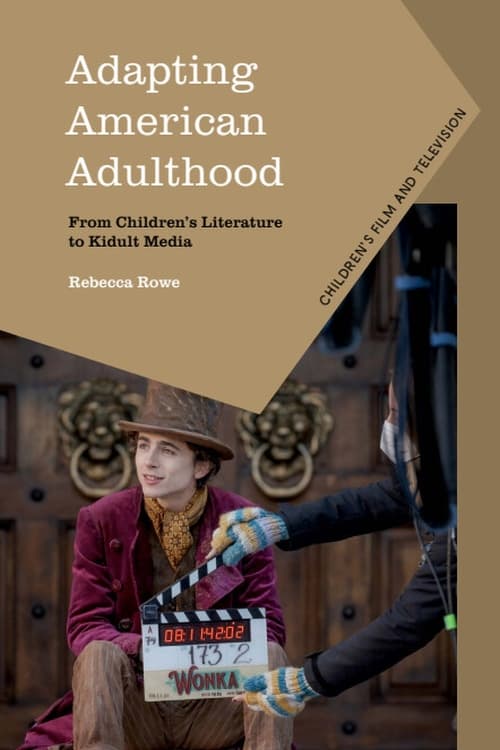
- Adapting American Adulthood, Ebook (EPUB), £90.00
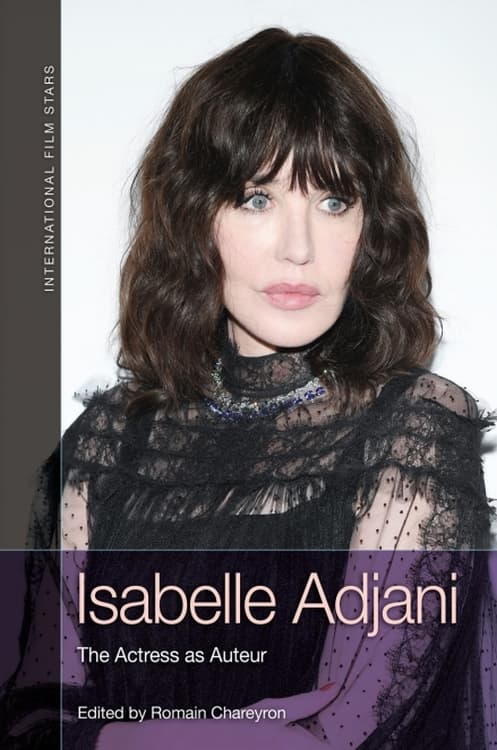
- Isabelle Adjani, Ebook (PDF), £19.99
More in Film Studies
View all
Ebook (EPUB)£90.00
Ebook (PDF)£19.99
Ebook (EPUB)£95.00
£24.99