Ebook (EPUB)£85.00
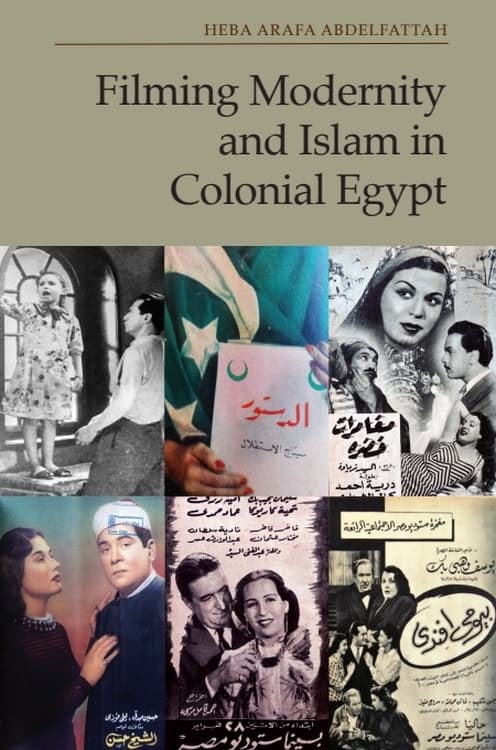
Filming Modernity and Islam in Colonial Egypt

Our ebooks are read in the Academic Reader app. After you buy, we’ll email you how to open your ebook in it.
Description
Explores the formative years of Egyptian cinema (1919–52) to contest the contradiction between Islam and innovation
- Discusses over 30 feature films, drawing on English and Arabic archival material including records of the British Foreign Office, the Egyptian National Archive, diaries of filmmakers and film censors, magazines and newspapers, and Islamic legal opinions on theatre and cinema
- Sets out a dialogic and innovative approach to studying modernity and Islam as interdependent lived experiences
- Steps outside the Orientalist formalist approach, which subjects subaltern cinema to the Hollywood standards of film language
- Writes a compelling account of Egyptian cinema as creative imagination and an Islamic popular culture shaped by Muslims and Non-Muslims
This book studies the rise of cinema in colonial Egypt as a supplemental secular public sphere that is not anti-religion. To this end, it investigates the reception of film by three centres of power: the colonial authorities, the Muslim clergy and the Cairene bourgeoisie. It inquires about the representations of modernity in films produced during the time and the place filmmakers assigned to Islam in these representations. The result is a story of survival and coexistence told through the lens of cinema as modern art and popular culture negotiating its overt and covert censorship in the public sphere, despite colonisation and war.
Contents
List of Figures AcknowledgementsNote on TransliterationPreface
- Introduction: Basic Concepts
- Regulating the Amour-propre of the Colonized
- Protecting the Amour-propre of Islam
- Caricaturing Dominant Modernity (Tafarnug)
- Lampooning Residual Modernity (Ta’ssul)
- Celebrating Emergent Modernity (Asala)
Bibliography Index
Author
Reviews
Heba Abdelfattah’s fascinating book shows how different interest groups, ranging from British colonizers to conservative religious scholars and progressive urban elites, tried to make the emerging Egyptian film industry work for them. This is a masterful analysis of how their interactions shaped the new media of cinema and its discourse on modernity and on Islam.
Filming Modernity and Islam in Colonial Egypt provides a comprehensive analysis of the evolution of the Egyptian cinema in its engagement with dominant socio-political forces; Islamic institutions, colonialism and the Cairene nationalist bourgeoisie. Heba Afara Abdelfattah’s work is a much-needed contribution, richly researched and intellectually engaging.
Abdelfattah takes Arabic cinema studies in daring new directions, challenging – as do so many of the classic movies she covers – frozen critical framings of social class, faith, national identity and, above all, what it meant to be ‘modern’ in colonial Egypt. This book will compel us to re-view so many of our favourite films.
Heba Arafa Abdelfattah’s Filming Modernity and Islam in Colonial Egypt should not be seen as a conventional history of early Egyptian cinema, but as a methodological intervention into how scholars theorize the relationship among media, religion, and colonial modernity. The book’s central contribution is its framework for analyzing modernity as a contested social performance, defining cinema as a key forum where such performances are controlled, satirized, and reframed.
Goes well with this book
From the same series or subject.
- Filming Modernity and Islam in Colonial Egypt, Ebook (EPUB), £34.99
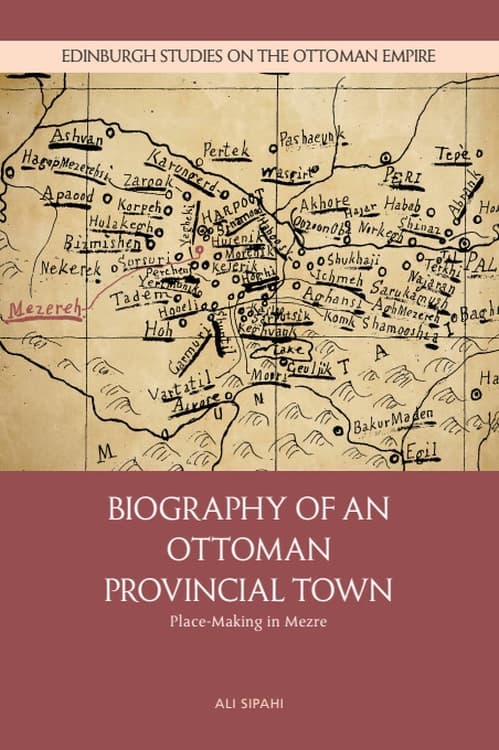
- Biography of an Ottoman Provincial Town, Ebook (EPUB), £85.00
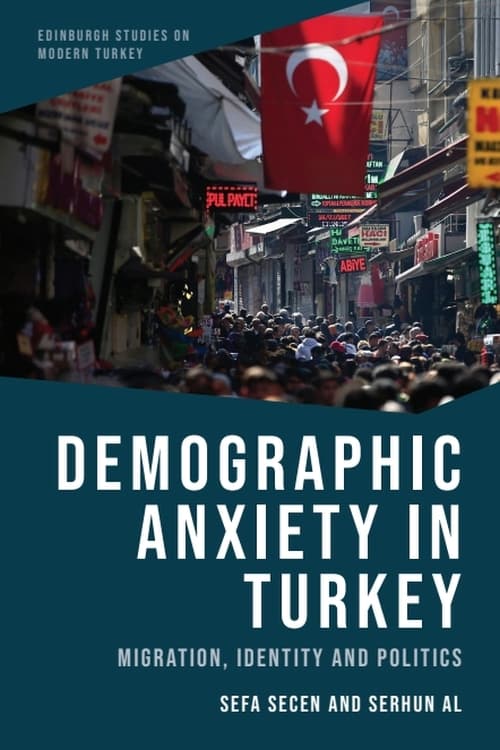
- Demographic Anxiety in Turkey, Ebook (EPUB), £90.00
More in IMES
View allEbook (EPUB)£90.00
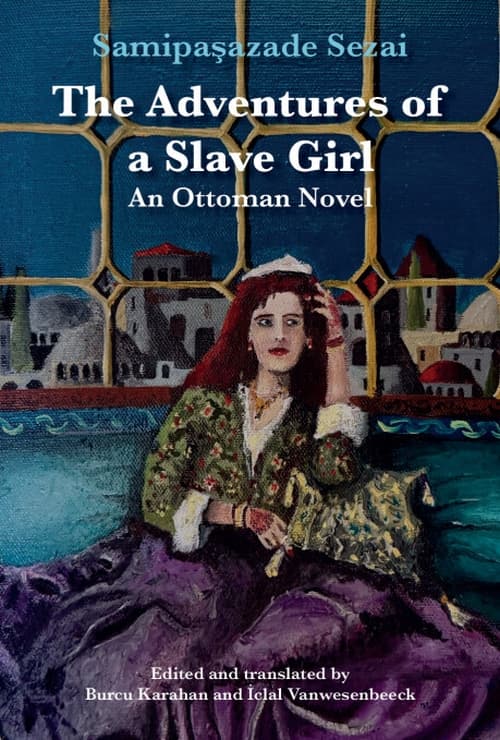
Ebook (EPUB)£14.99
Ebook (EPUB)£100.00
Ebook (EPUB)£95.00