Ebook (EPUB)£125.00
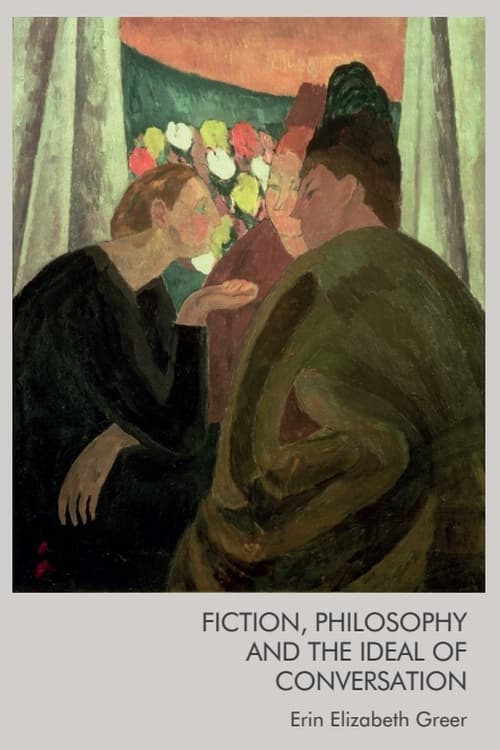
Fiction, Philosophy and the Ideal of Conversation

Our ebooks are read in the Academic Reader app. After you buy, we’ll email you how to open your ebook in it.
Description
Develops a literary-philosophical account of ‘conversation’ that reframes core concerns in contemporary ethics, democratic politics, and literary criticism
- Combines new analyses of canonical works of British fiction with rigorous scholarship in ordinary language philosophy, aesthetic theory, ethics, and political philosophy
- Bridges recent work in both literary studies and political philosophy, where scholars are reviving interest in ordinary language philosophy. Lays groundwork for future work at the intersection of literary studies, political philosophy, and ordinary language philosophy
- Departs from period-bound and historicist approaches typical of literary studies and shows that this manner of reading makes the philosophical resources of canonical works of British fiction newly legible
- Develops a framework for interdisciplinary scholarship that integrates literary criticism and philosophy on the model of conversation
The ideal of ‘conversation’ recurs in modern thought as a symbol and practice central to ethics, democratic politics, and thinking itself. Interweaving readings of fiction and philosophy in a ‘conversational’ style inspired by Stanley Cavell, Fiction, Philosophy, and the Ideal of Conversation clarifies this lofty yet vague ideal, while developing a revitalizing model for interdisciplinary literary studies. It argues that conversation is key to exemplary responses to sceptical doubt in ordinary language and political philosophy – where scepticism threatens ethics and democratic politics – and in works of British fiction spanning from Jane Austen through Ali Smith. It shows that for these writers, conversation can shift attention from metaphysical doubts regarding our capacity to know ‘reality’ and other people, to ethical, democratic, and aesthetic action. The book moreover proposes – and models – ‘conversational criticism’ as a framework linking literary studies to broader political and ethical commitments, while remaining responsive to aesthetic form.
Contents
Acknowledgments
Abbreviations
Introduction: Conversation as Worldmaking in Literature, Philosophy and Criticism
1. Perfectionism and the Conversation of Justice: Austen and Cavell
2. Performative Conversation and Acknowledgment: Meredith, Austin and Cavell
3. Conversation and Common Sense: Woolf, Russell and Kant
4. Public Conversation and Judgement: Rushdie and Arendt
5. Digital vs. Political Conversation: Ali Smith, Arendt and Wittgenstein
Afterword
Notes
Bibliography
Index
Author
Reviews
Erin Greer makes a powerful case for conversation as a practice, as a way of relating to others existentially and politically, and as a mode of reading which brings literature and philosophy together in non-reductive ways. Shifting the ground of the debate, Greer’s sharp and subtle intervention shows us how to get past entrenched positions in the so-called "method wars" in literary studies.
Goes well with this book
From the same series or subject.
- Fiction, Philosophy and the Ideal of Conversation, Ebook (EPUB), £19.99
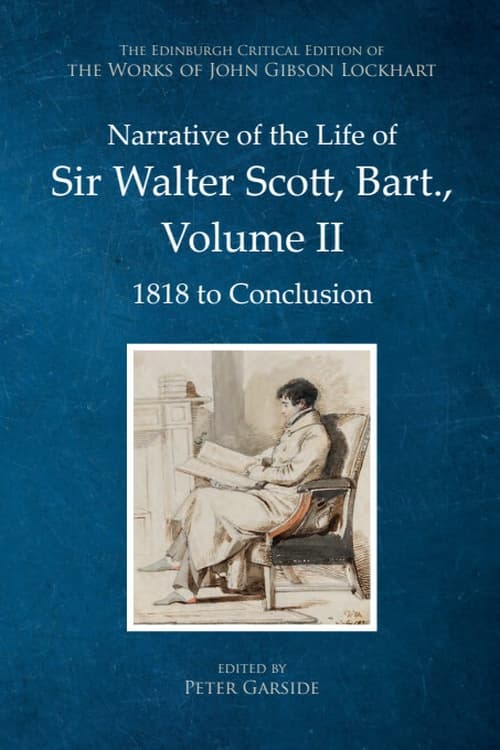
- Narrative of the Life of Sir Walter Scott, Bart., Volume II, Ebook (EPUB), £125.00
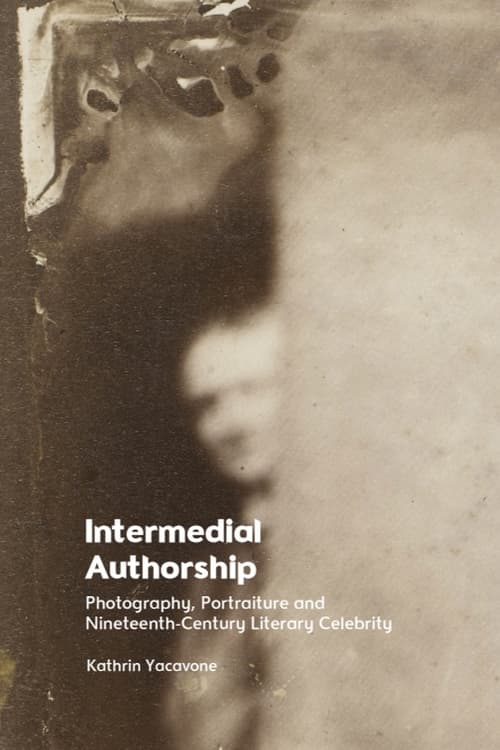
- Intermedial Authorship, Ebook (EPUB), £110.00
More in Literary Studies
View allEbook (EPUB)£110.00
Ebook (EPUB)£90.00
Ebook (EPUB)£90.00
Ebook (EPUB)£90.00