Ebook (EPUB)£125.00
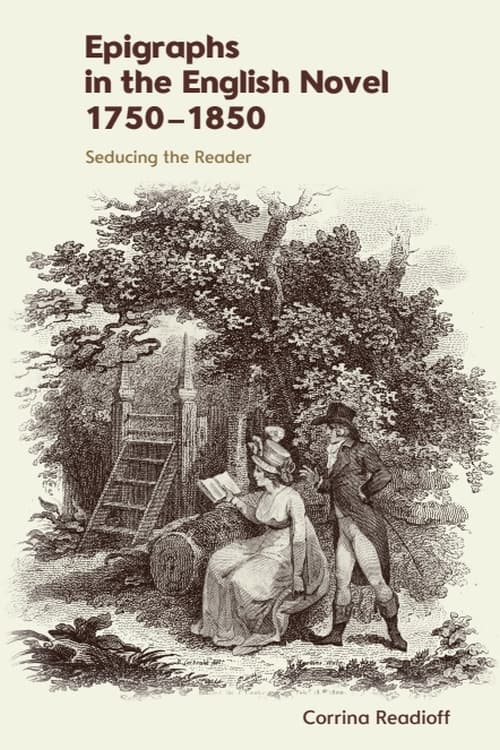
Epigraphs in the English Novel 1750–1850
Seducing the Reader
Open access
Open access under CC-BY-NC-ND 4.0
Description
The first book-length investigation of the history of pre-chapter epigraphs in the English novel
- Offers detailed insight into the development and function of the epigraph from 1750 to 1850
- Demonstrates the enduring versatility of the epigraph and of paratextual approaches to literary criticism
- Presents a survey of pre-chapter paratext in English fiction first-published between 1750 and 1850, drawing upon a dataset of nearly 6000 novels
- Provides case studies of epigraphs in the works of canonical authors (e.g. Radcliffe, Lewis, Scott, and Gaskell), and places these within a wider context of epigraphic and literary development in fiction by influential, though less well-known, writers (Chaigneau, Helme, Stannard Barrett, Gore)
Epigraphs in the English Novel 1750-1850 uncovers the early history of the epigraph, narrating the surprising story of how this long-overlooked feature morphed from moral didactic heading to Gothic tag-line to witty realist commentary within a single century. Adorning fictional narratives of rakes and sex workers, oppressed heroines and Jacobite heroes, the epigraph has been used by authors to preach, teach, amuse, or even completely misdirect their readers. Supported by a survey of pre-chapter paratext in nearly 6000 novels from 1750 to 1850, this monograph explores the changing influences upon and functions of epigraphs over time via detailed close readings and literary criticism. Focusing upon key generic developments, this book adopts a case-study style format to examine epigraphic usage in the works of canonical authors including Sarah Fielding, Ann Radcliffe, Charlotte Smith, Walter Scott, and Elizabeth Gaskell alongside those of less well-known novelists such as William Chaigneau, Elizabeth Helme, and Catherine Gore.
Contents
Acknowledgements
Introduction: The Importance of Reading Epigraphs
1 Epigraphs in Mid-Eighteenth-Century Didactic Fiction: William Chaigneau, Sarah Fielding, and Jane Collier
2 Transcending Boundaries with Epigraphs: Ann Radcliffe
3 From Innovative Paratext to Satirical Stereotype: Charlotte Smith, Matthew Lewis, and Eaton Stannard Barrett
4 Mottos, Masks, and the Historical Novel: Sir Walter Scott
5 From Romance to Realism: Catherine Gore and Elizabeth Gaskell
Conclusion: A New Understanding of Epigraphs
AppendixNotes
Bibliography
Index
Author
Reviews
Readioff’s examination of novelistic epigraphs proceeds from a remarkable evidence base: a survey of some 6000 works, more than three quarters of the novels known to have been published in the century from 1750 to 1850. From this, Readioff moves smoothly between statistical and critical modes, identifying critical moments in the development of the epigraph and overturning received wisdom about its decline. A masterful achievement, and a significant contribution to the study of the literary paratext.
Goes well with this book
From the same series or subject.
More in Literary Studies
View allEbook (EPUB)£110.00
Ebook (EPUB)£90.00
Ebook (EPUB)£90.00
Ebook (EPUB)£90.00