Ebook (EPUB)£85.00
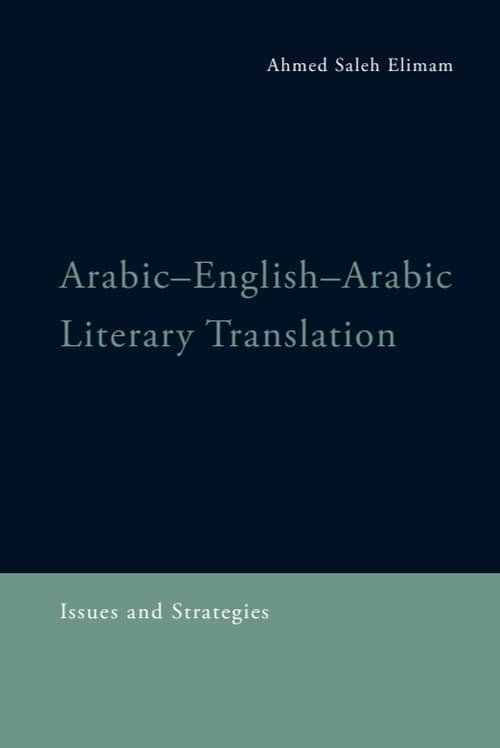
Arabic-English-Arabic Literary Translation
Issues and Strategies

Our ebooks are read in the Academic Reader app. After you buy, we’ll email you how to open your ebook in it.
Description
Arabic–English–Arabic Literary Translation gives learners of translation and interpreting the necessary theoretical and practical knowledge to identify and deal with the issues they encounter when translating literary texts between Arabic and English. It can also be used by instructors to teach modules on translation and interpretation issues and strategies.
Organised along the lines of the translation process itself, this guide discusses key terms relating to literary translation, covers the most common translation approaches and provides a systematic classification of issues that can be encountered in the translation process and the strategies available to deal with them. The issues and strategies are divided into four categories: lexical, structural, textual and contextual.
Contents
List of figures and tables Acknowledgements Abbreviations and IJMES Transliteration System
Introduction 1 Key Concepts in Literary Translation 1.1 Introduction 1.2 Literature 1.3 Translation: types and definitions 1.4 Translation theory 1.5 Style 1.6 Context 1.7 Conclusion 1.8 Exercises 2 The Translation Process and Translation Approaches 2.1 Introduction 2.2 From the source text to the target text 2.3 Translation as a decision-making process 2.4 Translation approaches 2.5 Features of translated texts: translation universals 2.6 Conclusion 2.7 Exercises 3 Lexical Translation Issues and Strategies 3.1 Introduction 3.2 Lexical translation issues 3.3 Translation strategies for lexical issues 3.4 Conclusion 3.5 Exercises 4 Structural Translation Issues and Strategies 4.1 Introduction 4.2 Word order variation 4.3 Passive structure 4.4 Iḍāfa (اإلضافة ,(roughly translated as “construct/genitive structure” 4.5 Grammatical gender 4.6 Grammatical number4.7 Definiteness 4.8 Collocations 4.9 Conclusion 4.10 Exercises 5 Textual Translation Issues and Strategies 5.1 Introduction 5.2 Idioms and fixed expressions 5.3 Metaphors: common vs new 5.4 Simile 5.5 Puns 5.6 Cohesion 5.7 Conclusion 5.8 Exercises 6 Contextual Translation Issues and Strategies 6.1 Introduction 6.2 The translation approach 6.3 Target readers’ expectations 6.4 Context of reception and the translator’s aim 6.5 Translators’ ideology 6.6 The commissioner’s influence 6.7 Trends in academia or philosophy 6.8 Register 6.9 Conclusion 6.10 Exercises 7 Commentary Writing 7.1 Introduction 7.2 Example annotations
Final Remarks Glossary References Index
Author
Reviews
This is an excellent and unique textbook for students and teachers of translation studies, and professional translators, containing a wealth of interesting and useful material to guide and inspire native speakers of either Arabic or English. The writer’s linguistic and scholarly expertise is accompanied by a passion for the subject and allows him to negotiate between complex and crucial aspects of two very different cultures. His book is a timely response to the increasing demand for academic and artistic guidance on issues and strategies of literary translation between Arabic and English.
Goes well with this book
From the same series or subject.
- Arabic-English-Arabic Literary Translation, Ebook (EPUB), £31.00
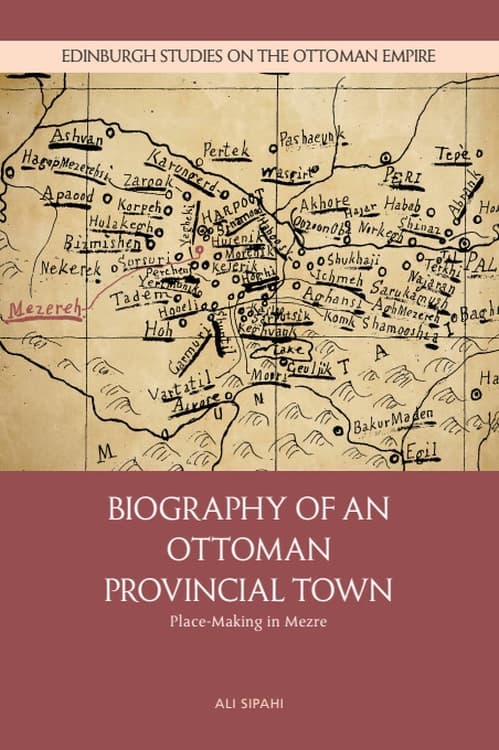
- Biography of an Ottoman Provincial Town, Ebook (EPUB), £85.00
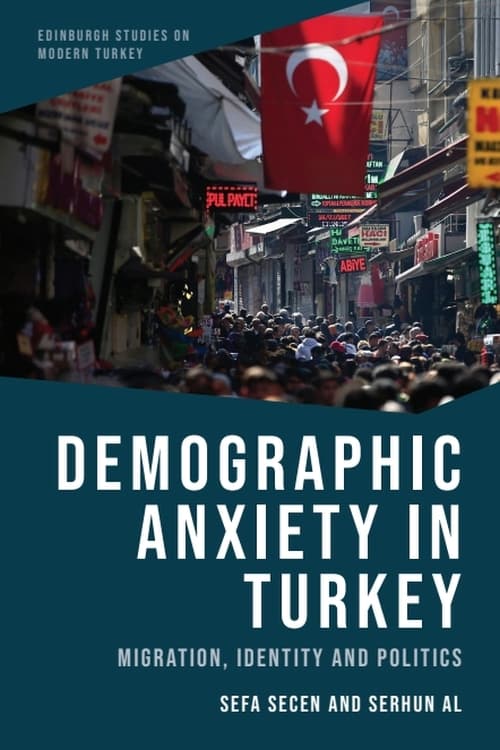
- Demographic Anxiety in Turkey, Ebook (EPUB), £90.00
More in IMES
View allEbook (EPUB)£90.00

Ebook (EPUB)£14.99
Ebook (EPUB)£100.00

Ebook (EPUB)£95.00