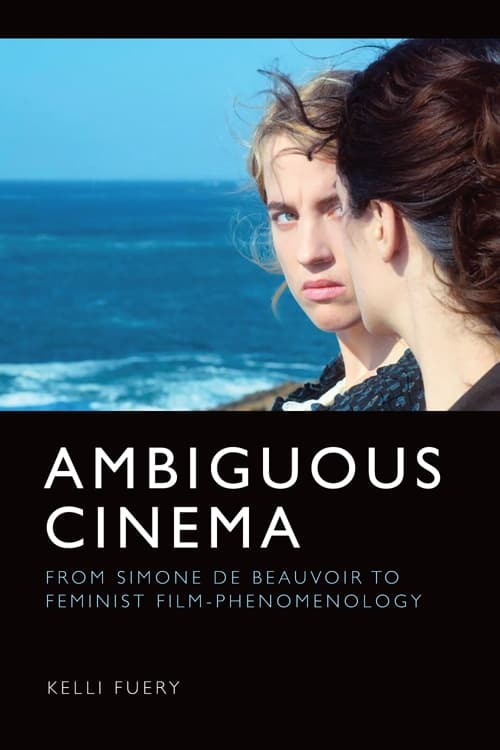
Ambiguous Cinema
From Simone de Beauvoir to Feminist Film-Phenomenology

Our ebooks are read in the Academic Reader app. After you buy, we’ll email you how to open your ebook in it.
Description
- Contributes to the growing field of feminist film-phenomenology
- Foregrounds Simone de Beauvoir’s concept of ambiguity within women’s cinema as a means to think through turbulent emotional experience
- Uses key feminist phenomenologies to consider independent women’s cinema
- Puts Beauvoir’s ideas into conversation with contemporary women phenomenologists showing the range and reach of her ideas for film-philosophy
- Includes diverse examples of films and filmmakers
Simone de Beauvoir’s notion of ambiguity became a cornerstone of her philosophy and influenced a radical rethinking of freedom well into the twenty-first century. In Ambiguous Cinema, Fuery examines Beauvoir’s notion of ambiguity in relation to film experience, exploring both the legacies and limits of her existentialist ethics through a range of films by independent women filmmakers, including Joanna Hogg, Liliana Cavani, Debra Granik, Cheryl Dunye, Claire Denis, Lucrecia Martel, Lynne Ramsay and Céline Sciamma.
In doing so, Fuery deftly demonstrates the currency and relevancy of Beauvoir’s ideas to contemporary debates in film-philosophy and feminist thought by examining how these women filmmakers navigate turbulent themes such as moral choice, power, adolescence, love, trauma and motherhood. Reimagining Beauvoir’s idea of ambiguity within the context of film studies, Fuery asks that we confront and embrace difficult emotional situations so that we might realise an authentic, if indeterminate, freedom through our cinematic experiences.
Contents
Preface
- Beauvoir’s Ambiguity, Cinema and Feminist Phenomenology
- Must We Burn Cavani? Moral Ambiguity in The Night Porter
- Moments of Moral Choice in Debra Granik’s Leave No Trace
- Habit the Cinematic Encounter: Cheryl Dunye and the ‘Dunyementaries’
- A New (Ethical) Face on Love: Bad Faith and Claire Denis’s Let the Sunshine In
- A Cinema of the Borderlands: Lucrecia Martel’s Zama
- Sensuous Co-Performance: Lynne Ramsay’s We Need to Talk About Kevin and Beauvoir’s Aesthetic Attitude
- Femme Desire and The Reciprocal Gaze in Céline Sciamma’s Portrait of a Lady on Fire
Conclusion
Author
Reviews
Quite much more than a mere ‘influence of a philosophy on the cinema,’ Kelli Fuery’s compelling and consequential study actually offers a rich two-way process: films enlivened by complex critical analysis but also the philosophy extended — and productively critiqued, especially around new social identities — by the encounter with moving images.
Bring(s) together a substantial body of scholarship on Beauvoir with diverse feminist phenomenological writings and a corpus of rich and complex female-directed films.
Mobilizing Simone de Beauvoir’s writings for cinematic thinking, Fuery brings the diversity and complexity of women’s lived experiences into view in several contemporary feminist films. This is a remarkable contribution to feminist film theory, the first to think film with Beauvoir not just about ideas, but in regard to method.
Among the spate of recent books focusing on films as philosophy, Fuery’s Ambiguous Cinema counts as one of the most consistent and compelling. What this reviewer particularly admires about the book is that Fuery, unlike many others who write about film as philosophy, does not limit herself to analyzing film narrative; she also pays close attention to filmic techniques and effects. In addition, she avoids the temptation to make unlikely marriages between filmmakers and a variety of philosophies, and instead provides a template that can be applied widely. A masterful effort! Summing Up: Essential. Upper-division undergraduates through faculty.
Among the spate of recent books focusing on films as philosophy, Fuery’s Ambiguous Cinema counts as one of the most consistent and compelling. What this reviewer particularly admires about the book is that Fuery, unlike many others who write about film as philosophy, does not limit herself to analyzing film narrative; she also pays close attention to filmic techniques and effects. In addition, she avoids the temptation to make unlikely marriages between filmmakers and a variety of philosophies, and instead provides a template that can be applied widely. A masterful effort! Summing Up: Essential. Upper-division undergraduates through faculty.
Goes well with this book
From the same series or subject.
- Ambiguous Cinema, Ebook (EPUB), £25.99
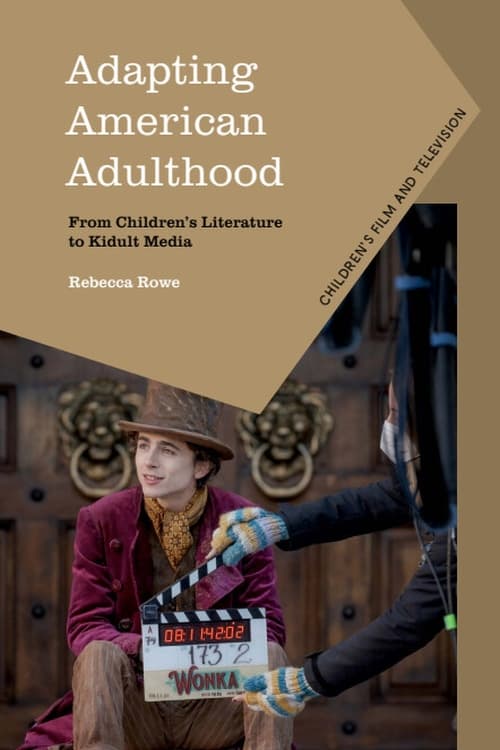
- Adapting American Adulthood, Ebook (EPUB), £90.00
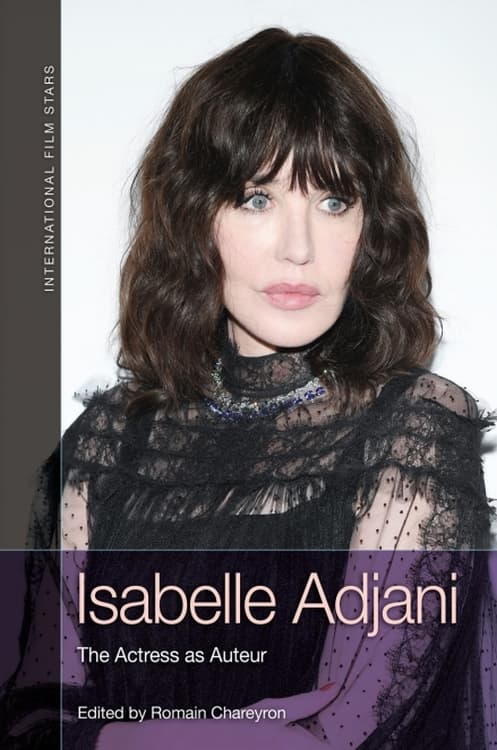
- Isabelle Adjani, Ebook (PDF), £19.99
More in Film Studies
View all
Ebook (EPUB)£90.00
Ebook (PDF)£19.99
Ebook (EPUB)£95.00
£24.99