Free to read
Read Mecca in Morocco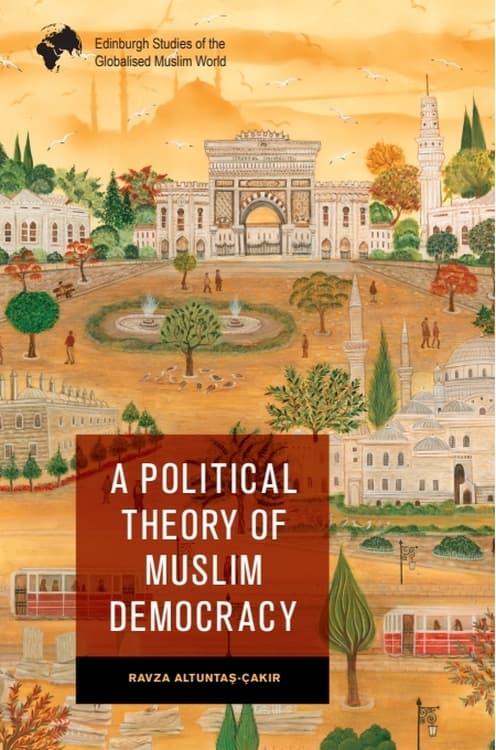
IMESEdinburgh Studies of the Globalised Muslim World
A Political Theory of Muslim Democracy

Our ebooks are read in the Academic Reader app. After you buy, we’ll email you how to open your ebook in it.
Description
Proposes a framework of Muslim democracy that reconciles public claims made by Muslims with the normative and practical demands of democratic regimes
- Constructs a Muslim democracy framework, inspired by Muslim and Western multiculturalist political thought
- Provides an inclusive typology of Muslim political thought to discover essential norms for democratic thinking
- Provides an inclusive typology of multiculturalism elaborating upon its capacity to reconcile democracy with religion
- Synthesises these theoretical concepts and values to provide interpretative tools for a comparative political of Muslim democracy
- Provides a scholarly construction of the notion of a political theory of Muslim democracy
Ravza Altuntaş-Çakır examines the ideals, institutions and processes that shape the development of a concrete Muslim-based democratic system – a form of democracy that recognises the centrality of religion in Muslim societies. Questioning the customary characterisations of Islam’s compatibility with democracy, the book adopts a comparative political theory approach that initiates a dialogue between Muslim and Western political thought. It systematically studies debates concerning Muslim political thought, multiculturalism, secularism, the public sphere and constitutionalism, which enables an exploration of Muslim democracy through a political theory approach, rather than a theological one.
Contents
Introduction
Part I: Typologies of Muslim and Multicultural Political Thoughts1. Islamic Discourses on Governance and Pluralism2. Multiculturalist Discourses on Religion and Democratic GovernanceGeneral Conclusion to Part I: Typologies of Muslim and Multicultural Political Thoughts
Part II: Deconstructing Muslim Discourses on Democracy3. The Compatibility-based Arguments
Part III: Conceptualising Muslim Democracy General Introduction to Part III4. Pluralist Secularism5. The Social Public Sphere6. Pluralisng ConstitutionGeneral Conclusion to Part III: The Conceptualisation of Muslim Democracy
Conclusion
BibliographyIndex
Author
Reviews
In deconstructing the ‘Turkish model’, Ravza Altuntaş-Çakır adroitly unravels a contemporary paradox: the reconciliation of faith and pluralist participation. Her masterful exploration of Islamic writings and political theory substantiates that Muslim democracy can, indeed must, have normative roots. It is a bold and inspiring call to rethink democracy as merely instrumental and Muslim societies as narrowly doctrinal.
A very cutting-edge and path-breaking work in the field. There are many political science texts on the phenomenon of "Muslim democracy" but this may be the first book that treats it as political theory or ideology. This will be a very important and influential book.
Goes well with this book
From the same series or subject.
- A Political Theory of Muslim Democracy, Ebook (EPUB), £20.99
- Islamist Movements during the Tunisian Transition and Syrian Crisis, Ebook (EPUB), £24.99
- Biography of an Ottoman Provincial Town, Ebook (EPUB), £85.00
From the same series
More in Edinburgh Studies of the Globalised Muslim World
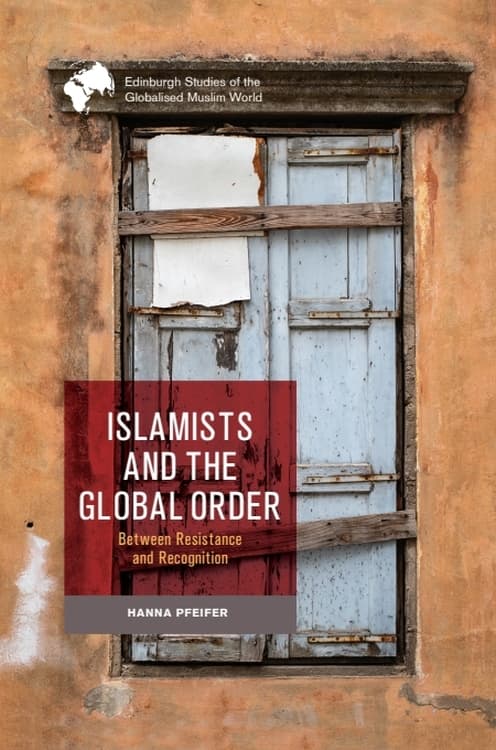
Free to read
Read Islamists and the Global OrderEbook (EPUB)£24.99
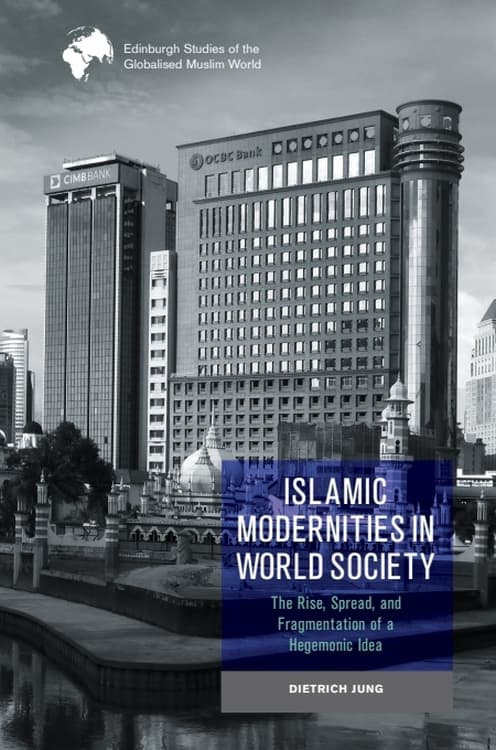
Ebook (EPUB)£29.99
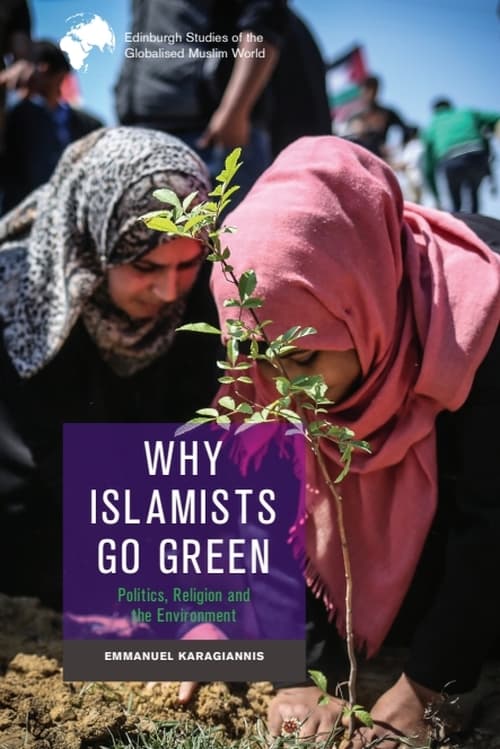
Ebook (EPUB)£20.99
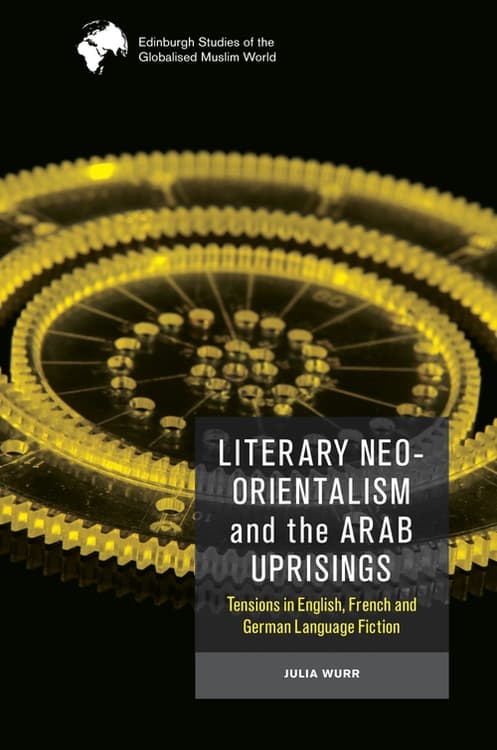
Ebook (EPUB)£20.99
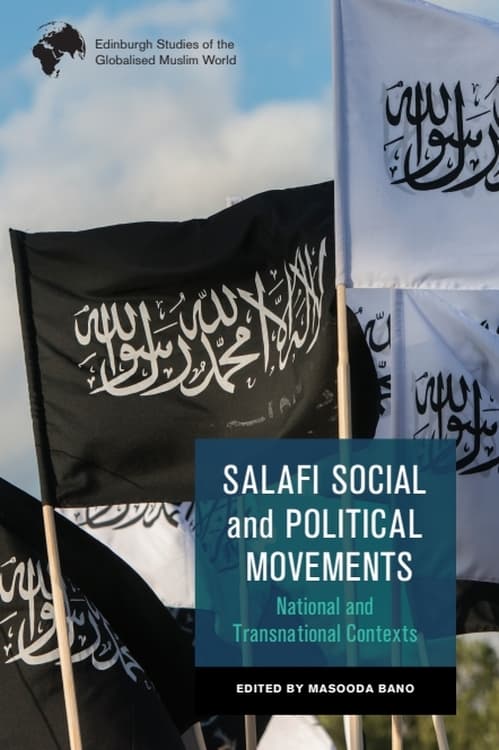
Ebook (EPUB)£19.00
More in IMES
View allEbook (EPUB)£85.00
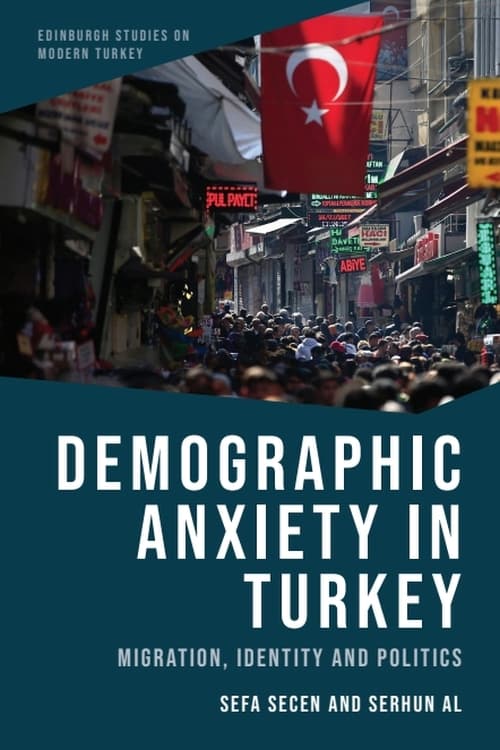
Ebook (EPUB)£90.00
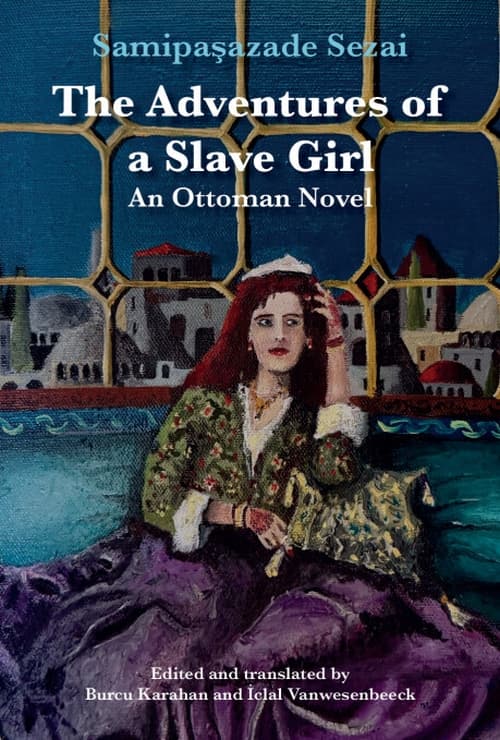
Ebook (EPUB)£14.99
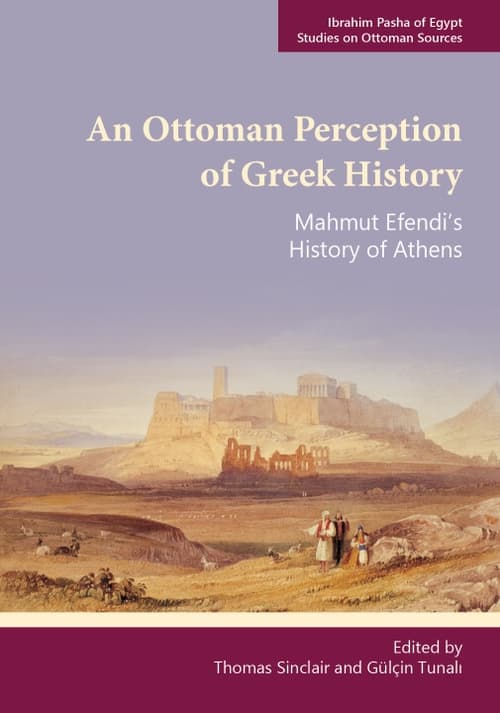
Ebook (EPUB)£100.00
Ebook (EPUB)£95.00